A colleague asks me to take on extra weekend tasks that I do not have time for, or a friend makes a subtle, unkind joke at my expense. Before I even think about how I feel, a broad smile spreads across my face. I laugh along, nod enthusiastically, and say, ”Of course, I would love to help.”
Five minutes later, I am alone in the hallway, and my stomach feels sick with frustration. I ask myself why I just agreed to something I hate, and why I let people talk to me like that.
My body learned this reaction as a survival habit. When your nervous system discovers that fighting brings punishment and running away isn’t possible, it chooses to appease. You make yourself agreeable, helpful, and pleasant so nobody has a reason to hurt or criticize you.
The Hidden Mechanics of People Pleasing
The fawn response relies on social engagement circuitry to neutralize interpersonal danger:
- Hyper-Attunement to Others: Your nervous system scans micro-expressions, shifts in voice pitch, and body language across the room. You register when a partner or coworker is upset before they even know it themselves.
- Self-Erasure to Prevent Conflict: To keep the peace, you automatically swallow your anger, your preferences, and your tired body signals. You prioritize the other person’s comfort above your basic needs.
- The Inevitable Resentment Trap: When you continuously give away your energy without boundaries, you eventually feel depleted, unappreciated, and privately bitter. You wonder why you spend your whole life taking care of others while no one takes care of you.
”When I please others at my own expense, I am usually just trying to avoid conflict. Real care only happens when I am honest enough to say no.”
How Fawn Shapes Personality and the Enneagram
The fawn response provides the core coping mechanism across several Enneagram strategies and instinctual drives:
Enneagram 2 (Fawn + Shame)
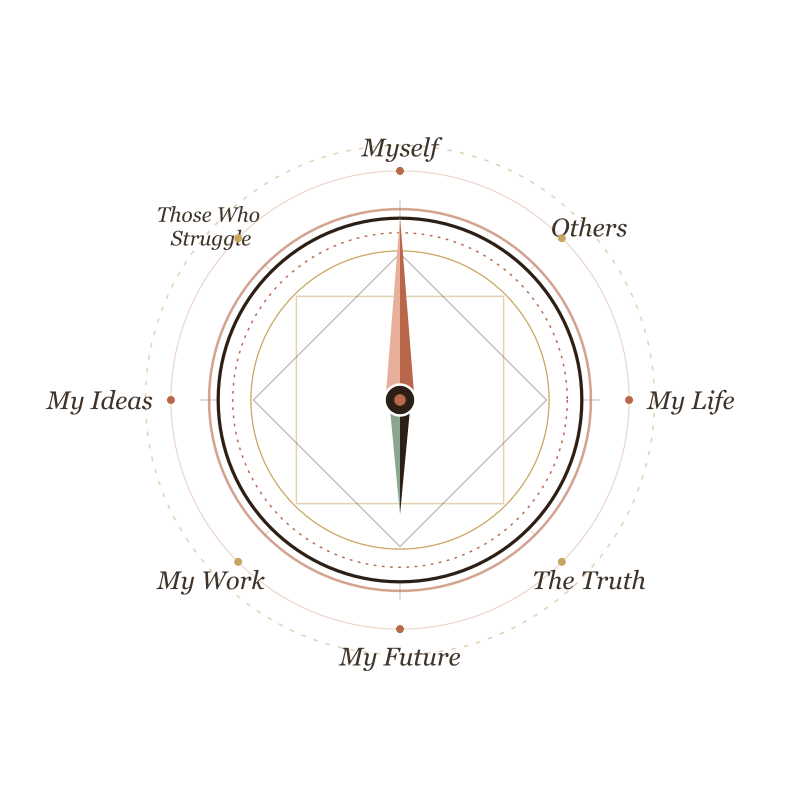
People using an Enneagram 2 strategy manage feelings of unworthiness by becoming indispensable caretakers. You anticipate every need and give endless praise, hoping that being helpful will protect you from rejection. Evolving past this pattern means discovering Love for Those Who Struggle with healthy personal boundaries.
Social Instinct
In the Social Instinct, fawning operates as group appeasement and social accommodation. You instinctively scan room dynamics, soften your opinions, and conform to group expectations to avoid exclusion or judgment. Finding genuine belonging through Love for Ideas allows you to contribute your authentic perspective.
Self-Preservation Instinct
In the Self-Preservation Instinct, the fawn strategy softens physical and environmental friction. You accommodate others to keep the home peaceful and protect resources from sudden disruption. Finding aliveness through Love for Life allows you to embrace necessary change.
Sexual Instinct
In the Sexual Instinct, fawning appears as magnetic merging and intense seduction. You tailor your personality to become the ideal partner for the person you desire, terrified that showing your ordinary flaws will break the spell. Grounded intimacy flourishes through Love for Your Partner.
3 Steps to Reclaim Your Voice and Boundaries
You do not need to turn cold, selfish, or rude to break the fawn cycle. You only need to invite your own needs back to the table:
- Practice the three-second pause before agreeing. When a colleague or friend asks for a favor, do not answer immediately. Say: ”Let me check my schedule and get back to you later today.” That tiny gap gives your nervous system time to consult your actual feelings instead of defaulting to appeasement.
- Notice where your body says no. Pay attention to physical cues: a sinking stomach, a sigh, or tightened throat muscles when you hear a request. Your body always knows your boundaries before your polite mouth does.
- Say no with clarity and zero over-explaining. When you decline an invitation, state it plainly: ”Thank you for thinking of me, but I cannot make it.” Avoid making up elaborate excuses. Clear, simple boundaries communicate mutual respect.
Which fawn behaviors show up in your relationships? (check all that apply)
Fawn Response Match
Check off statements above to calculate your match score.
Honoring Your Real Preferences
Think of a request you recently agreed to out of habit or guilt. What would you have chosen if you knew for certain the other person would still care about you and respect your decision?
From My Book The Age of Self-Realization
”I also fell into another trap: trying to be the hero who saves everyone.
When I saw the environmental crisis, poverty, and injustice, I put the entire weight of the planet on my own shoulders. I thought that if only I worked hard enough, campaigned enough, and sacrificed enough, I could fix everything. In trying to take responsibility for the entire universe, I lost control over my own life and drove myself straight into burnout.
Every single day I was out campaigning: for refugee rights, against the war, against climate change. When I felt tired, I thought about all the people who were going to be hurt. I thought about everyone I would let down if I failed. I felt, strongly, that I was responsible for them and for the future. Admitting to myself that Erik needed to help Erik right now was really hard.
Burnout showed me that taking on everyone else’s problems is not compassion; it is an illusion of control. You cannot carry the whole world. You are only responsible for how you show up, how you treat the person in front of you, and whether you live with honesty and kindness.”
Erik Thor, The Age of Self-Realization, Chapter on Love for Those Who Struggle
Preorder The Age of Self-Realization
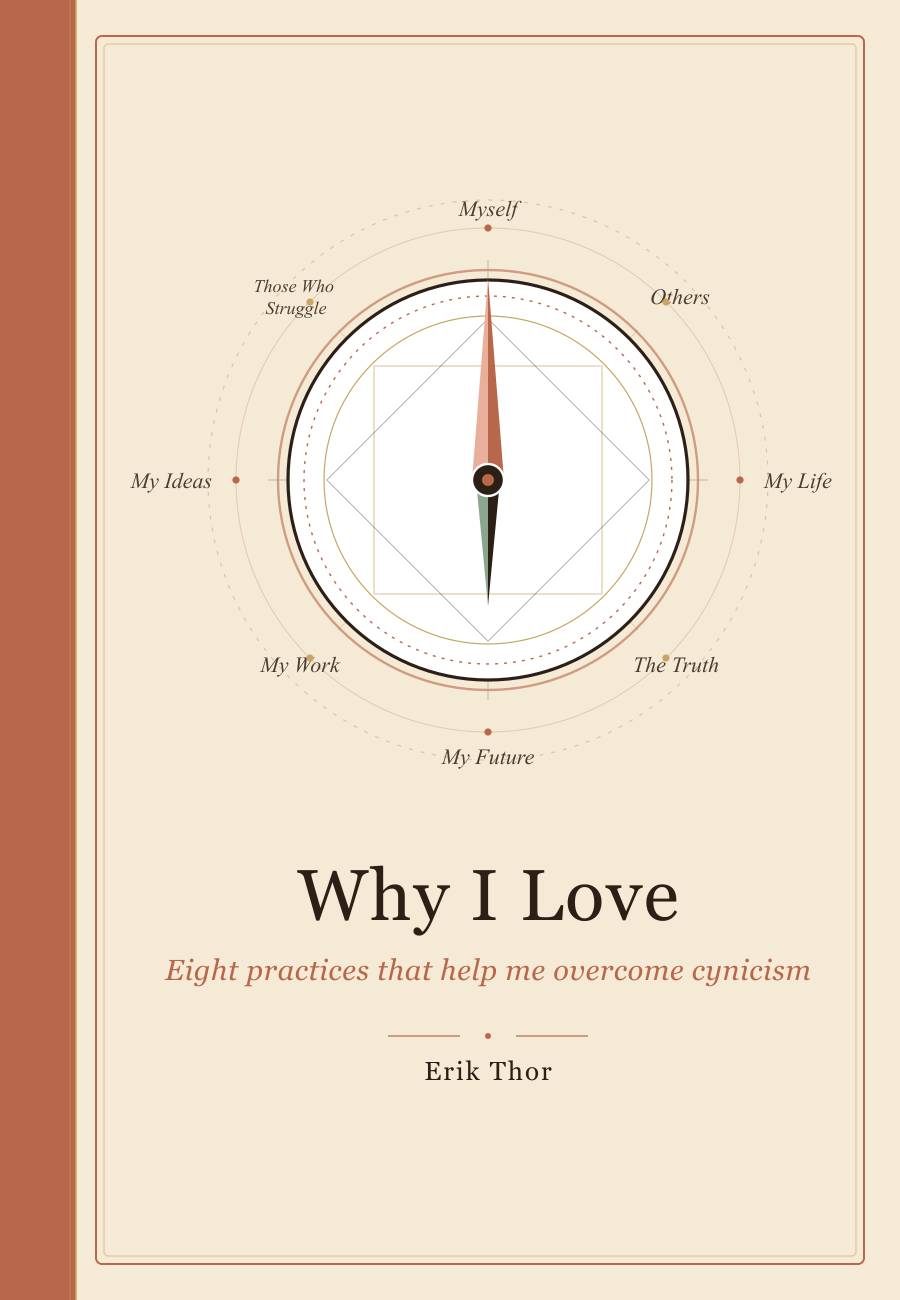
If you resonate with this journey of moving from exhausting people-pleasing and chronic caretaking to genuine equality and self-respect, explore my first book, The Age of Self-Realization (also available as Why I Love). It shares eight grounded life practices for overcoming cynicism, befriending your emotions, and living with authentic care.
Explore Related Nervous System and Emotional Strategies
Deepen your understanding of nervous system regulation across all profiles:
- Why We Freeze When Emotions Feel Overwhelming (How Type 4, 5, and 9 withdraw)
- How the Fight Response Protects Against Vulnerability (How Type 3, 6, and 8 assert control)
- Why the Flight Response Keeps Us Moving and Planning (How Type 1, 7, and SO outrun dread)
- How Shame and Love Share the Same Physical Response
- How Anxiety and Excitement Are the Same Physical Sensation
- Why Anger and Passion Are Two Sides of the Same Body Signal
Share

Loading discussion…