I am sitting on my sofa after dinner, and the room goes quiet. There is nothing I urgently have to do. Within thirty seconds, a distinct prickle of unease starts in my shins and chest. I reach for my phone, open an app, check airline tickets, jump up to reorganize a bookshelf, and mentally map out projects for the next six months.
Most of us think of the flight response as sprinting away from a barking dog or escaping a burning building. But in modern daily life, flight rarely looks like running with your legs.
It looks like perpetual motion. It looks like booking your calendar until you have no empty evenings, starting five new hobbies before finishing one, or staying in your head planning the future so you never have to feel the quiet reality of this afternoon.
The flight response is an adaptive survival habit designed to outrun emotional discomfort. When you understand what you are fleeing from, you can finally give yourself permission to stop running.
How Modern Flight Operates in the Mind and Body
The flight response mobilizes sympathetic energy to create distance between you and a perceived threat:
- Mental Acceleration: Your mind spins through options, contingencies, and hypothetical futures. Thinking fast feels productive, but it keeps your awareness disconnected from physical body signals.
- Physical Restlessness: You feel a motor running behind your ribs. Sitting still feels claustrophobic, so you fidget, pace, change tasks, or leave rooms the moment an awkward pause appears.
- The Chronic Exhaustion of Never Arriving: When flight is your default coping mechanism, you live in perpetual transit. You look forward to a vacation for months, but the day you arrive, your mind is already researching where to go next year.
“Busyness is often just running away in place. The hardest journey is sitting in a quiet room and letting the moment be enough.”
How Flight Shapes Personality and the Enneagram
The flight response aligns with Perceiving (P) cognitive styles and underpins three distinct Enneagram strategies:
Enneagram 1 (Flight + Anger)
In an Enneagram 1 strategy, the nervous system flees from the threat of imperfection and moral error through relentless busyness, organizing, and correcting. You stay ahead of criticism by working tirelessly to make everything right. Grounding this energy opens up creative flow through Love for Your Ideas.
Enneagram 7 (Flight + Anxiety)
People using an Enneagram 7 strategy manage existential dread and boredom by fleeing into novel experiences, mental optimism, and endless possibilities. You run away from heavy emotional moments by reframing them as fun stories. Slowing down brings true contentment through Love for Life.
Sexual Instinct (Flight + Shame)
In the Sexual Instinct, flight looks like escaping feelings of quiet shame or inadequacy by running toward intense, magnetic one-on-one connections and high-voltage experiences. You crave deep chemistry and emotional charge to feel truly alive and valued. Grounding yourself in quiet contentment allows lasting intimacy to flourish through Love for Your Partner.
Perceiving (P) Tendencies
A Perceiving temperament resists feeling locked down or cornered by rigid schedules. When pressure mounts, a Perceiving nervous system naturally seeks open exits, pivots to alternate routes, and explores fresh possibilities to preserve autonomy.
3 Ways to Settle a Racing Nervous System
You do not need to quit your job or stare at a blank wall for hours. You can train your nervous system to tolerate the present moment in small steps:
- Wait two minutes before switching tasks. When you feel the familiar urge to abandon a boring chore, open a new browser tab, or pick up your phone, set a timer for two minutes. Keep your hands flat on the desk and breathe. Notice that the discomfort will not harm you.
- Finish one small thing completely. Wash the frying pan and dry it with a towel. Fold the pile of clothes and put them in the drawer. Experiencing the quiet feeling of completion breaks the habit of perpetual flight.
- Engage your physical senses in the room. When your mind takes off into future planning, look around. Feel the texture of your shirt. Listen to the ambient sound of traffic or rain. Concrete physical sensations tether your mind back into the present.
Which flight patterns do you notice in your routine? (check all that apply)
Flight Response Match
Check off statements above to calculate your match score.
Slowing Down the Run
What uncomfortable feeling or quiet truth are you currently outrunning with your busyness and planning? What would happen if you sat quietly with it for five minutes today?
From My Book The Age of Self-Realization
“For years, I wondered how it was possible that, with so many fascinating sensations around me, I didn’t feel an endless desire to experience life head-on. To explore, touch, move, and dance in the face of shifting lights, roads, textures, and sounds.
When my parents divorced, I detached. When you detach, you look down, you avoid, and you stop noticing the everyday beauty around you. I developed an addiction to comfort, spending days locked in my room in front of a computer screen.
One afternoon, when I was fifteen, I looked up at the sky. The clouds, the sun, the apple tree in the yard. It was beautiful. At that moment, I realized that the natural world around me was already full of wonder. Why was I spending my days completing virtual quests inside a dark room when there was an entire world to explore outside? Savoring life doesn’t come from outrunning limitation; it comes from looking up and being here.”
Erik Thor, The Age of Self-Realization, Chapter on Love for Life
Preorder The Age of Self-Realization
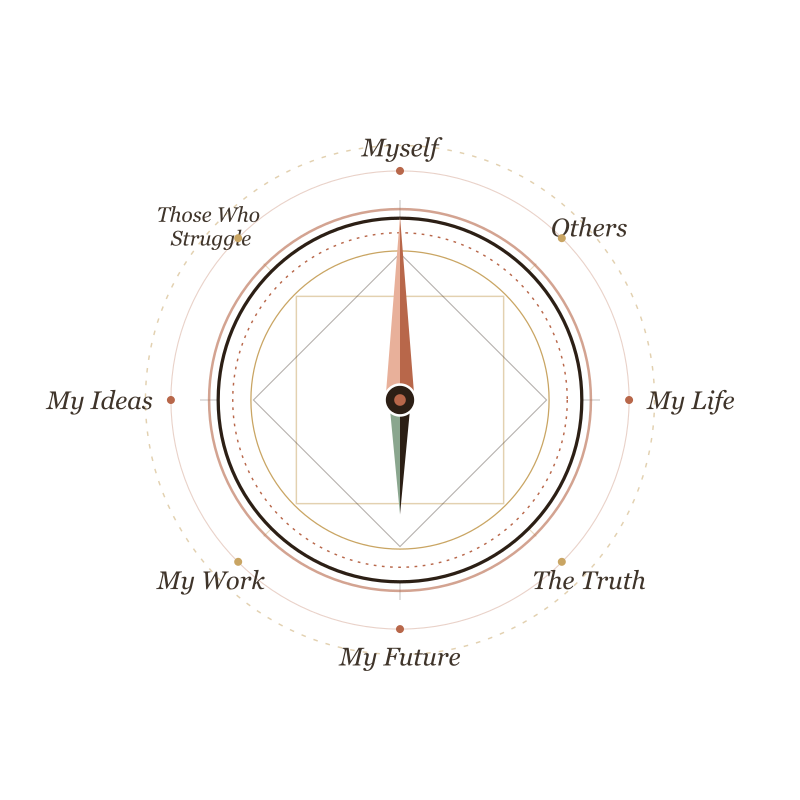
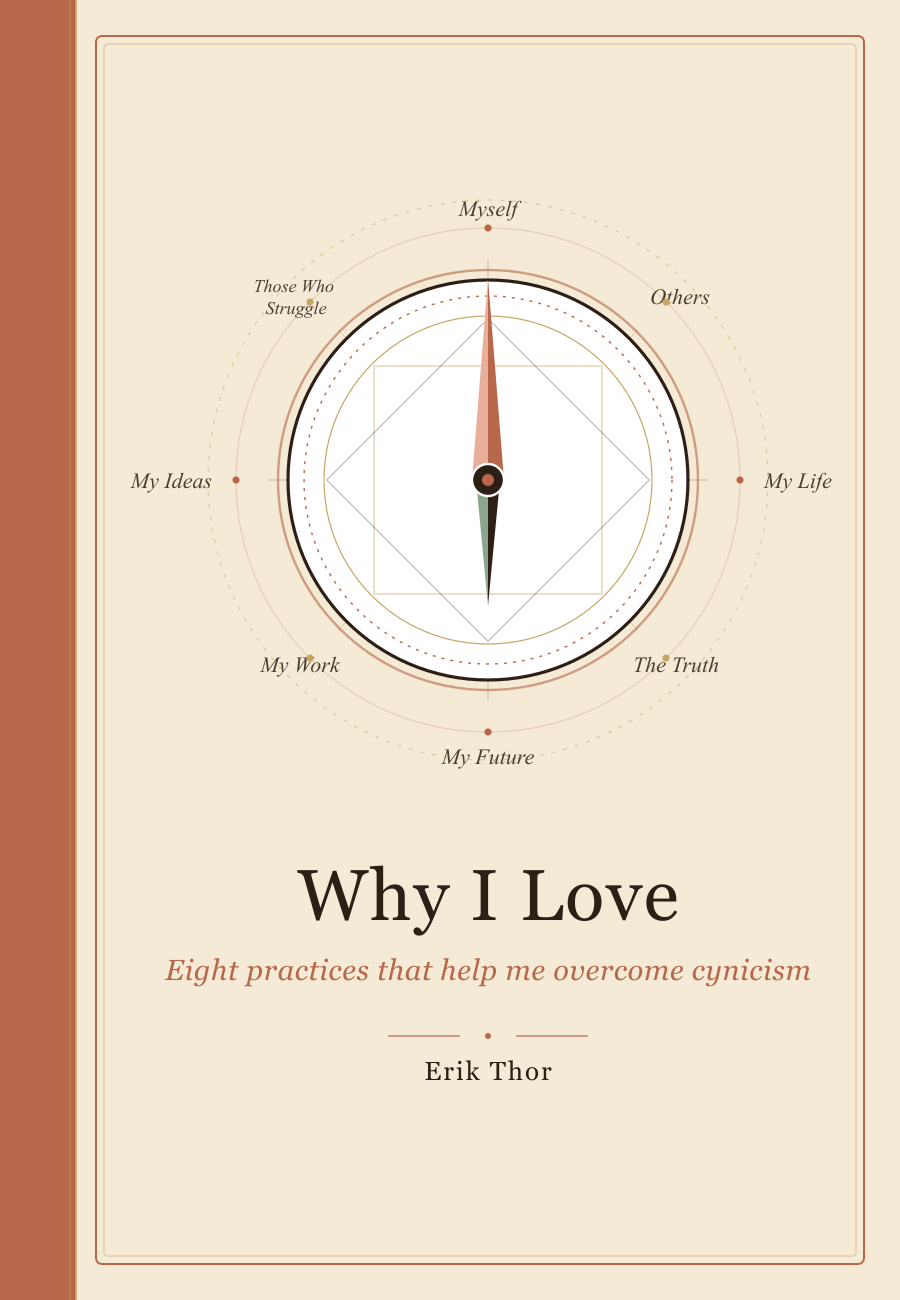
If you resonate with this journey of moving from restless mental flight and endless options to grounded enthusiasm and presence, explore my first book, The Age of Self-Realization (also available as Why I Love). It shares eight grounded life practices for overcoming cynicism, befriending your emotions, and falling in love with your everyday reality.
Explore Related Nervous System and Emotional Strategies
Discover how the other survival modes and emotional responses function:
- Why We Freeze When Emotions Feel Overwhelming (How Type 4, 5, and 9 withdraw)
- How the Fight Response Protects Against Vulnerability (How Type 3, 6, and 8 assert control)
- How the Fawn Response Uses Pleasing to Stay Safe (How Type 2 and SP accommodate)
- How Shame and Love Share the Same Physical Response
- How Anxiety and Excitement Are the Same Physical Sensation
- Why Anger and Passion Are Two Sides of the Same Body Signal
Share

Loading discussion…