Esc to close ↑↓ to navigate Enter to select

How the Fawn Response Uses Pleasing to Stay Safe

Hey, I’m Erik Thor—a developer, psychologist, and writer. I explore personality spectrums, cognitive functions, and growth. Read my story or support my work.

Pre-order My Book Now
Pre-order

Pre-order My Book Now

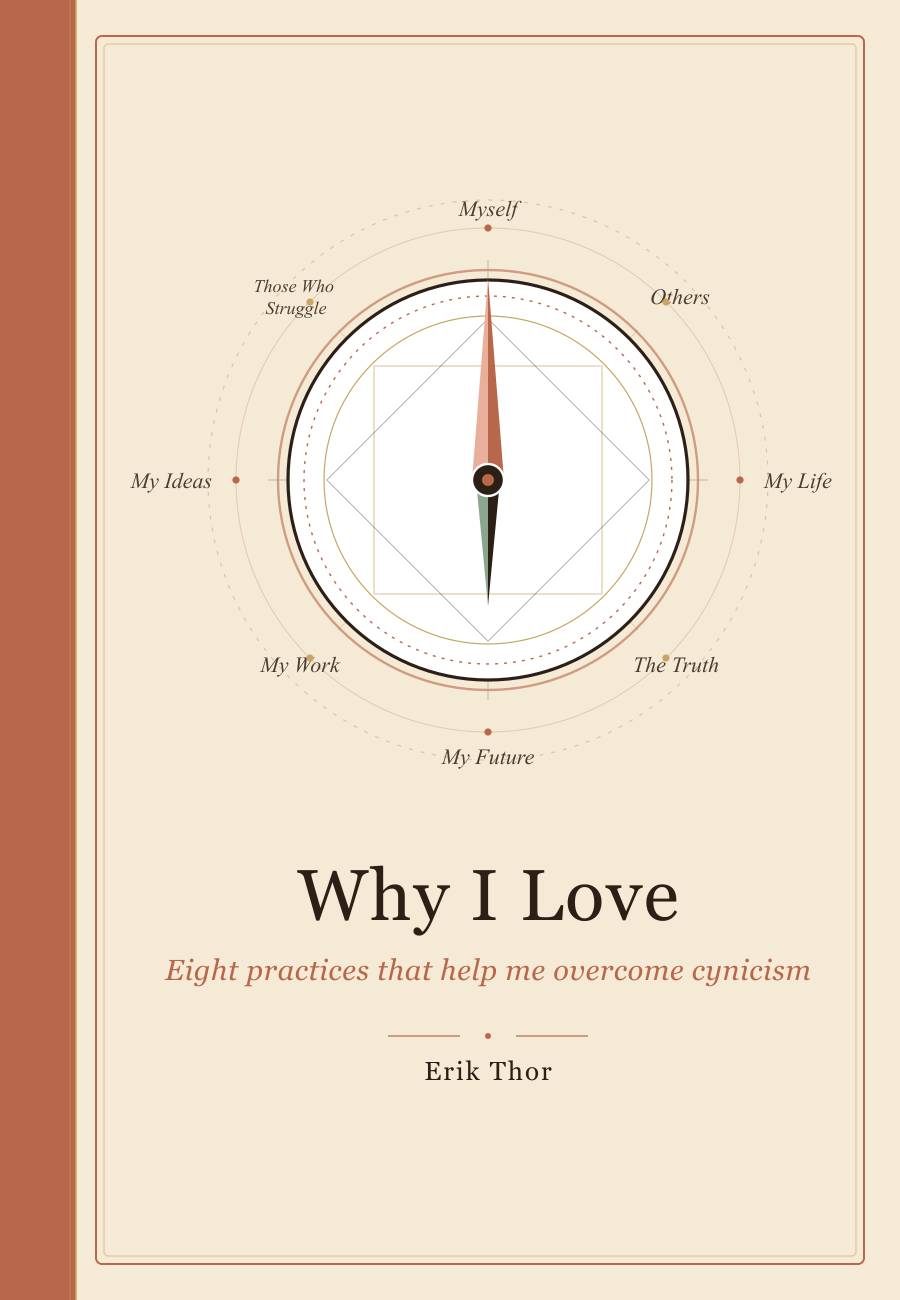
Why I Love is eight practices that help me overcome cynicism. Reserve your copy and get your name in the first edition.

Pre-order the book

A colleague asks me to take on extra weekend tasks that I do not have time for, or a friend makes a subtle, unkind joke at my expense. Before I even think about how I feel, a broad smile spreads across my face. I laugh along, nod enthusiastically, and say, “Of course, I would love to help.”

Five minutes later, I am alone in the hallway, and my stomach feels sick with frustration. I ask myself why I just agreed to something I hate, and why I let them treat me that way.

This reaction is not weak willpower. It is the Fawn response: an intelligent biological defense strategy that disarms conflict by appeasing, pleasing, and merging with the emotional state of the other person.

When your nervous system learns early in life that fighting causes punishment and running is impossible, it adopts the fourth survival mechanism: make yourself so agreeable, helpful, and charming that nobody has a reason to hurt or abandon you.

New test

Take the Eight Practices of Love Test

Find out which of the eight practices of love you lean on, and which one you have been avoiding.

Take the test
Erik Thor

Erik Thor

Writer, Psychologist & Programmer

I explore personality spectrums, Jungian cognitive functions, and self-ownership. Running side projects as a coach, online creator, and author, my goal is to build tools and publish articles that promote collective harmony, self-empowerment, and growth.

Upcoming Book by Erik Thor

The Age of Self-Realization

An exploration of what it means to live in alignment with your true values. In a world full of external noise and identity traps, this book is about overcoming internal conflict, understanding your cognitive patterns, and finding the courage to grow into who you are.


Loading discussion…