A man pushes his grocery cart directly in front of mine at the supermarket checkout, or a coworker presents my project slides in a staff meeting as if he researched them himself. Instantly, my jaw clenches. Pressure builds in my gut, my shoulders tighten, and heat surges up my back.
In that instant, my body provides energy to protect a boundary. If I resist that energy and turn it inward, it ferments into sour resentment, silent sulking, or a harsh internal lecture. If I explode and attack the person, I leave a wake of unnecessary destruction.
Neither extreme solves the problem. Anger, frustration, physical strength, and passion all spring from the same biological signal: your gut recognizing that something in the room matters to you.
When you learn to stop judging your anger as a sin or a personal failure, you can allow that raw fuel to power clear boundaries, patient craft, and genuine protection for others.
The Physical Spectrum from Irritation to Grounded Passion
The physical impulse of anger is designed to move obstacles. How you interpret that impulse determines whether it destroys or builds:
- Irritation and Frustration: A small friction catches your attention: a colleague shows up ten minutes late or a roommate leaves dishes in the sink. A mild pressure rises in your chest and jaw. This is your nervous system signaling that an expectation was unmet.
- Resentment and Domination: When you resist the irritation, you judge the other person as defective or malevolent. You either explode to force compliance, or you swallow the heat and secretly tally their sins while smiling through clenched teeth.
- Surrender and Boundaries: When you accept the sensation of anger without weaponizing it, the heat becomes calm authority. You do not yell, and you do not pretend you are fine. You state what you need in plain, direct words: “I cannot do that today,” or “I need you to clean your dishes before dinner.”
- Passion and Aliveness: When anger is fully integrated, the same gut fire that once fueled petty arguments transforms into passionate devotion. You use that formidable energy to protect people who cannot defend themselves and build things that endure.
“When I stop trying to punish people, the heat in my gut turns into clear, quiet authority.”
How Different Personality Strategies Cope with Anger
The Gut Center in the Enneagram revolves around how we experience our physical presence, personal boundaries, and anger:
Fight Strategy (Enneagram 8)
When an Enneagram 8 strategy activates, anger is welcomed directly as a weapon. You push against others, assert dominance, and take charge to make sure no one can control or hurt you. The script says: “If I am the strongest person in the room, I am safe.” Channeling this strength toward gentle care unlocks Love for Those Who Struggle.
Freeze Strategy (Enneagram 9)
When an Enneagram 9 strategy turns on, anger is pushed underground through numbing and passive resistance. You agree on the surface to keep the peace, but quietly go numb or drag your feet. The script says: “If I show my anger, everyone will leave.” Reconnecting with your true desires and voice brings quiet dignity through Love for Yourself.
Flight Strategy (Enneagram 1)
When an Enneagram 1 strategy operates, anger is redirected into high standards, rigid procedures, and self-criticism. You flee from feeling angry by proving you are morally justified and correct. The script says: “If I am perfect, my anger is righteous.” Letting go of perfectionism fosters grounded creativity through Love for Your Ideas.
Intensity Strategy (Sexual Instinct)
In the Sexual Instinct, gut energy is channeled into intense one-on-one charge, magnetic attraction, and fierce loyalty. When ungrounded, it becomes obsessive possessiveness. When surrendered, it allows deep, vulnerable connection through Love for Your Partner.
3 Steps to Channel Anger into Clean Strength
You do not need to suppress your anger or apologize for feeling irritation. You can learn to hold the charge with dignity:
- Unclench your jaw and drop your shoulders. The moment you feel irritation, notice where your body is bracing for a physical fight. Deliberately loosen your teeth and let your shoulders drop two inches. Softening your body does not make you weak; it prevents you from saying words you will regret.
- Identify what boundary was crossed. Anger is always information. Ask yourself quietly: “What is being violated right now? My time? My integrity? My physical space?” Once you name the boundary, you no longer need the drama.
- Speak in simple statements, not accusations. Accusations (“You always do this”) cause the other person to fight back. Statements about reality (“I am not available to work this weekend”) communicate quiet, immovable power.
How do you typically react when anger surges in your body? (check all that apply)
Anger And Passion Match
Check off statements above to calculate your match score.
Honoring Your Boundary Energy
Think of a situation where you currently feel simmering resentment or irritation. What clear, simple boundary do you need to state out loud, without yelling and without apologizing?
From My Book The Age of Self-Realization
“I spent years in politics, and looking back, I can see how easily passion can be twisted into judgment. There were times during arguments, especially with people I didn’t know, when I made them into enemies in my own head, when they were really people with real emotions and genuine reasons for doing what they did.
In politics, it is tempting to love your own group by attacking another group. When I spoke to my own side, I talked to them like human beings deserving of empathy. But when I talked about the other side, I talked about them as if they were an enemy, as if they were simply wrong, cruel, or bad.
That was not strength. That was just another way to avoid having a real conversation. True strength required me to sit down with people I disagreed with and actually listen. I had to ask questions and learn from their lived experiences without needing to conquer the room.”
Erik Thor, The Age of Self-Realization, Chapter on Love for Those Who Struggle
Preorder The Age of Self-Realization
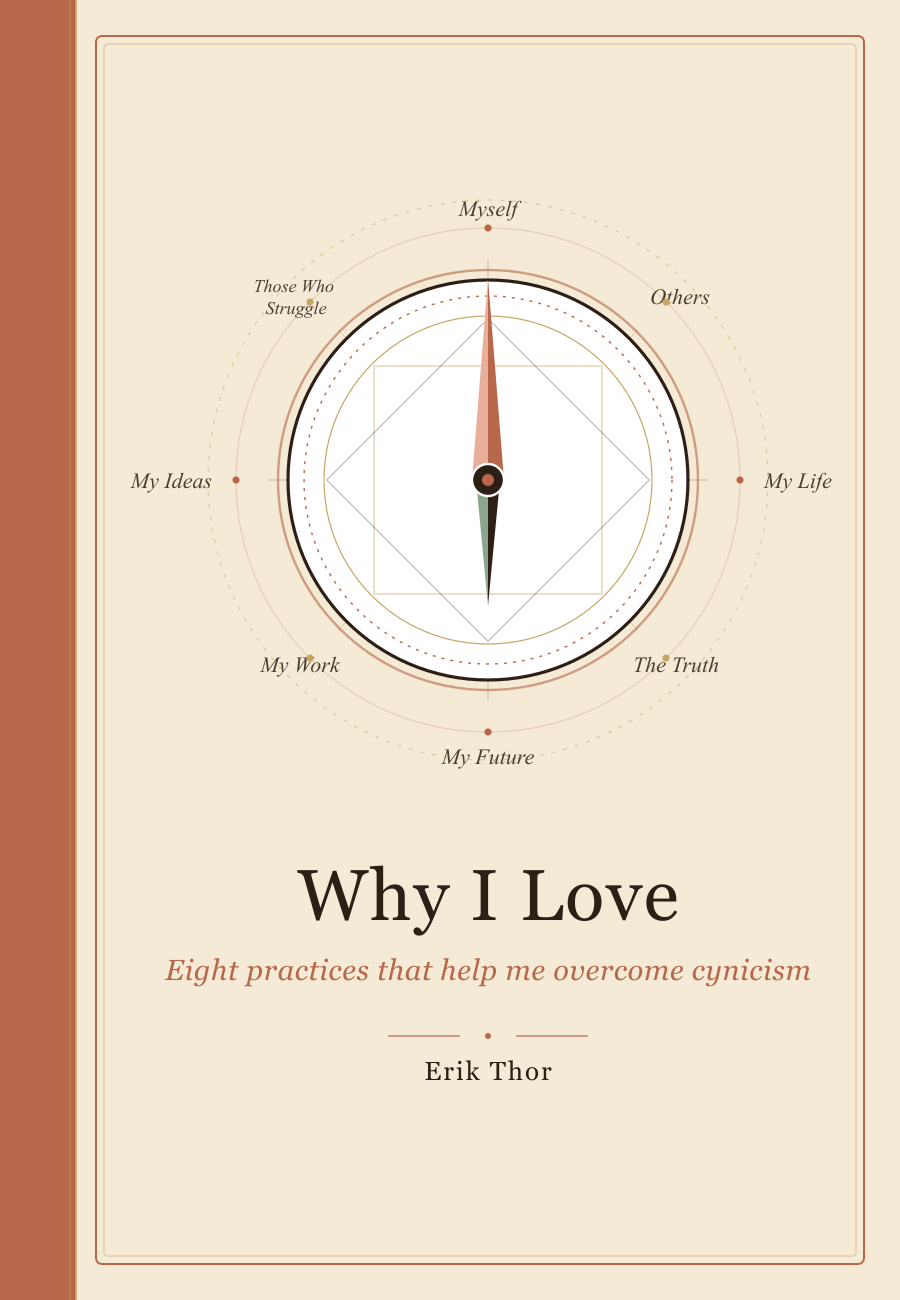
If you resonate with this journey of moving from explosive arguments or bitter resentment to quiet personal boundaries and genuine passion, explore my first book, The Age of Self-Realization (also available as Why I Love). It shares eight grounded life practices for overcoming cynicism, befriending your emotions, and living with authentic strength.
Explore Related Nervous System and Emotional Strategies
To understand how anger and passion integrate with other survival patterns, visit these guides:
- Why We Freeze When Emotions Feel Overwhelming (How Type 4, 5, and 9 withdraw)
- How the Fight Response Protects Against Vulnerability (How Type 3, 6, and 8 lean in)
- Why the Flight Response Keeps Us Moving and Planning (How Type 1, 7, and SO stay ahead of distress)
- How the Fawn Response Uses Pleasing to Stay Safe (How Type 2 and SP accommodate)
- How Shame and Love Share the Same Physical Response
- How Anxiety and Excitement Are the Same Physical Sensation
Share

Loading discussion…