Have you ever caught yourself running around solving everyone else’s problems, anticipating what people need before they even ask, while completely neglecting what you need for yourself? That is what happens when you rely on an Enneagram 2 strategy.
Rather than a permanent identity of being a “giver,” Enneagram 2 is an adaptive relational strategy. When you use this pattern, you manage Heart Center shame through a Fawn response. You soothe feelings of unworthiness by making yourself useful, supportive, and indispensable to the people around you.
How Your Nervous System Reacts with Fawn and Shame
When you sense social distance or worry that you might be rejected, your nervous system does not push you to withdraw into isolation or fight back. Instead, it triggers a Fawn response. You step toward people, adapt to their expectations, and focus your attention on what they might be feeling.
At the core of this strategy is a quiet belief: “I’m not good enough as I am. I need to be helpful to earn my place.”
This coping pattern creates a delicate emotional trade-off. When you offer care, you briefly quiet the pain of shame by feeling needed. But because you are using helpfulness as an emotional shield, you rarely allow anyone to see your own needs or vulnerabilities. You can end up feeling chronically exhausted and secretly resentful when others do not reciprocate the effort you never explicitly asked for. What began as an attempt to feel worthy can trap you in the very loneliness you were trying to prevent.
How You Move from Shame to Love
The intensity of your Fawn response shifts depending on whether you fight your feelings of vulnerability or allow them:
- Shame and Resentment: When you fight your shame, you feel an urgent push to fix, advise, or rescue others. You suppress your physical exhaustion, take on emotional burdens that do not belong to you, and feel bitter when your sacrifices go unnoticed. You might use helping as a subtle way to feel like the stronger or better person in the room.
- Awkwardness and Neediness: You notice a sharp sting of worry when someone seems distant or indifferent. The Fawn response activates: you might send extra messages, offer favors people did not ask for, or hover attentively. You can recognize that you are seeking reassurance, even while feeling clumsy about wanting to be wanted.
- Unconditional Love and Equality: When you surrender the need to earn your worth through service, your natural warmth stops being a performance. You meet people as equals rather than as problems to solve. You can listen deeply without rushing to fix things, and you can let others support you without feeling ashamed of your own human needs.
Moving from Compulsive Helping to Real Care
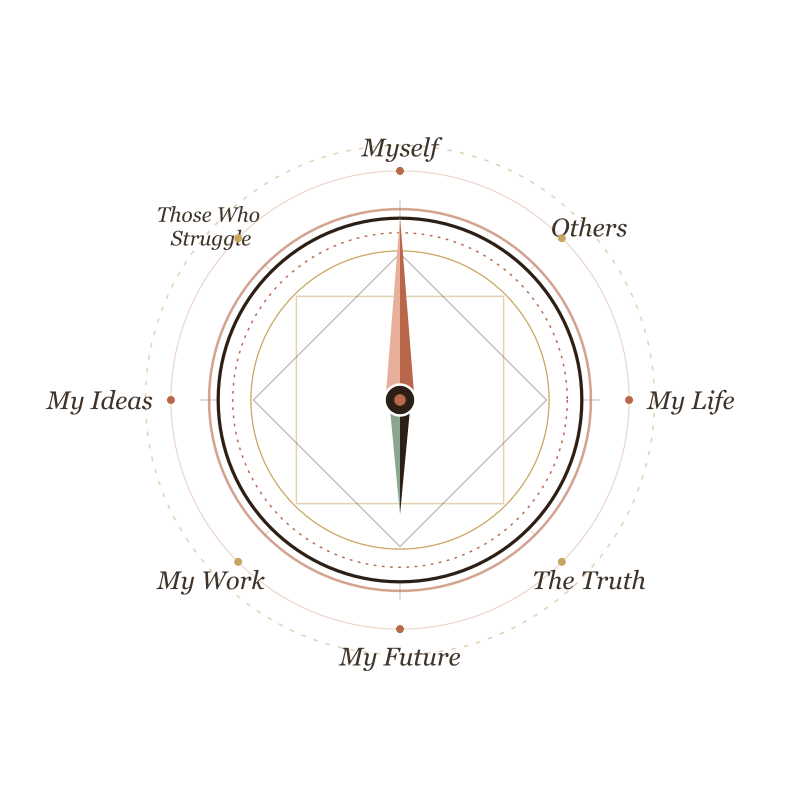
Practicing Love for Those Who Struggle means learning to meet people as equals without placing yourself above them as a rescuer:
- Pause before offering unasked-for solutions. When someone shares a problem, you might feel an immediate bodily urge to jump in and fix it for them. Taking a slow breath gives you space to ask: “Do you want advice right now, or do you just want someone to listen?” Often, listening is the deepest care you can offer.
- Notice the pride of being the capable one. Catching the thought that someone would fall apart without your intervention helps you step back. Recognizing that other people are capable of carrying their own lives frees you from carrying an artificial burden.
- Practice asking for one small thing directly. Instead of hoping people will guess what you need, tell a friend or partner one concrete preference today. Experiencing that people care about you when you are not performing service dismantles the belief that you must earn your existence.
You know you use an Enneagram 2 strategy when… (check all that apply)
Enneagram 2 Match
Check off statements above to calculate your match score.
What It Feels Like in Real Life
I’m sitting on the sofa after a long workday, completely drained. My partner comes home visibly stressed about a conversation at work. My immediate physical reaction isn’t to say, “I’m really tired tonight, but I’m glad you’re home.” My instinct is to jump up, head into the kitchen, start cooking dinner, and offer five different ways they can resolve the issue at their office.
In that moment, being the helpful one feels noble. It shields me from the vulnerability of feeling tired and unneeded. But an hour later, I’m standing by the stove feeling irritable and unseen, realizing I created my own exhaustion because I was afraid that just sitting there being ordinary wasn’t enough.
A Question for You
When you feel the urge to step in and fix things for someone else, what feeling in yourself are you trying to avoid? What would happen if you simply listened without offering a solution?
From My Book The Age of Self-Realization
“I also fell into another trap: trying to be the hero who saves everyone.
When I saw the environmental crisis, poverty, and injustice, I put the entire weight of the planet on my own shoulders. I thought that if only I worked hard enough, campaigned enough, and sacrificed enough, I could fix everything. In trying to take responsibility for the entire universe, I lost control over my own life and drove myself straight into burnout.
Every single day I was out campaigning: for refugee rights, against the war, against climate change. When I felt tired, I thought about all the people who were going to be hurt. I thought about everyone I would let down if I failed. I felt, strongly, that I was responsible for them and for the future. Admitting to myself that Erik needed to help Erik right now was really hard.
Burnout showed me that taking on everyone else’s problems is not compassion; it is an illusion of control. You cannot carry the whole world. You are only responsible for how you show up, how you treat the person in front of you, and whether you live with honesty and kindness.”
Erik Thor, The Age of Self-Realization, Chapter on Love for Those Who Struggle
Preorder The Age of Self-Realization
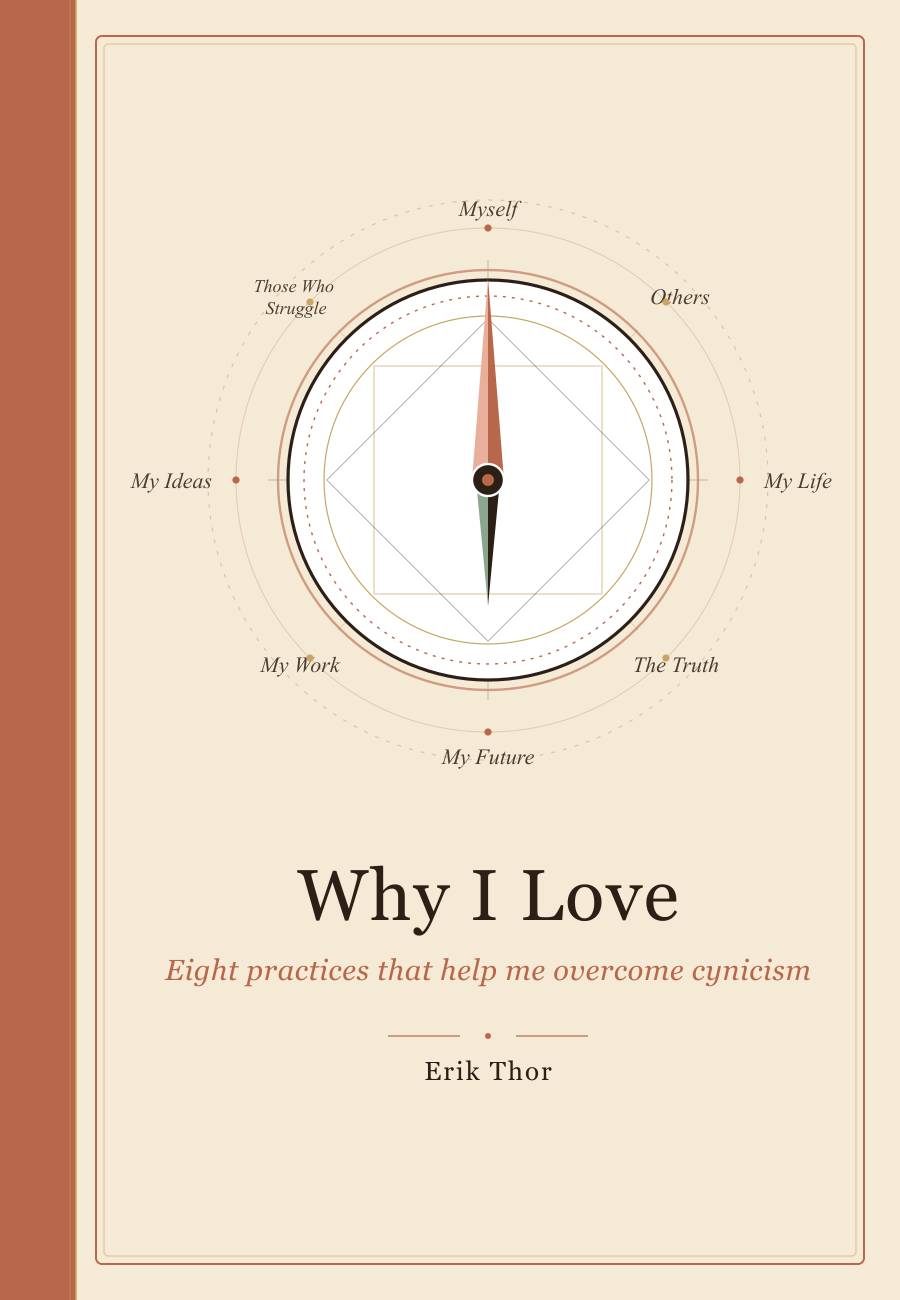
If you resonate with this journey of moving from exhausting people-pleasing and chronic caretaking to genuine equality and self-respect, explore my first book, The Age of Self-Realization (also available as Why I Love). It shares eight grounded life practices for overcoming cynicism, befriending your emotions, and living with authentic care.
Share

Shareable Reflection Card
Here is a simple reflection on the Enneagram 2 strategy, formatted to share with others:
The Enneagram 2 Reality
The Habit: “If I help everyone around me, nobody will notice that I feel unworthy.”
The Nervous System: “A Fawn response that soothes Heart Center shame by becoming indispensable.”
The Shift: “Move from chronic caretaking to genuine love by honoring your own needs and boundaries.”
Caption for Sharing:
When you run around taking care of everyone else while ignoring your own exhaustion, you are not just being generous. You are using an Enneagram 2 strategy, a Fawn response that tries to soothe shame by making yourself indispensable. Genuine care only begins when you have the self-respect to say no.
#Enneagram2 #FawnResponse #PeoplePleasing #Boundaries #EmotionalRegulation #Personalitopia