A client tells me my design draft looks amateur, or my project manager interrupts our weekly team meeting to claim my progress is behind schedule. Instantly, my spine stiffens. My chin juts forward, my voice drops, and heat floods into my chest and hands.
Before my conscious mind can evaluate the feedback, my nervous system is already moving forward into battle. I want to argue every point, expose every logical flaw in their statement, and prove beyond any doubt that I am right.
For a long time, I believed that this combativeness was simply what strong, confident people did. I thought backing down meant being weak or admitting defeat.
In reality, my body was leaning into a Fight response. When your nervous system encounters deep vulnerability, shame, or fear, it often decides that attacking is safer than feeling small.
The Underlying Purpose of the Fight Mechanism
In everyday adult life, the fight response rarely looks like physical violence. It surfaces as intellectual dominance, competitive overworking, or aggressive debate:
- Converting Helplessness into Agency: Sitting with rejection, fear, or grief feels powerless. Leaning forward and fighting makes you feel active, capable, and in command of the room.
- Vigilance and Threat Detection: Your sympathetic nervous system primes your muscles, sharpens your vision, and elevates your heart rate. You scan the environment for who holds authority and where the next strike might come from.
- The High Cost of Chronic Combat: When you treat every friction as a fight, your body never rests. You live in a constant state of adrenaline fatigue, muscle tension, and relational strain, wondering why nobody around you can ever keep up.
“A fighting nervous system believes that if it ever puts its guard down, it will be destroyed. True strength begins when you realize you are safe enough to drop your fists.”
How Fight Shapes Personality and the Enneagram
The fight response aligns closely with Judging (J) temperaments and drives the core defense strategies of three Enneagram profiles:
Enneagram 3 (Fight + Shame)
People using an Enneagram 3 strategy fight against shame through achievement and competition. You work eighty-hour weeks, collect credentials, and polish your public image to ensure no one can ever look down on you. Releasing the fight allows you to enjoy honest effort through Love for Your Work.
Enneagram 6 (Fight + Anxiety)
When an Enneagram 6 strategy activates the counterphobic fight response, anxiety turns into proactive confrontation. You challenge authorities, interrogate motives, and face threats head-on before they can surprise you. Softening this stance brings genuine security through Love for Life.
Enneagram 8 (Fight + Anger)
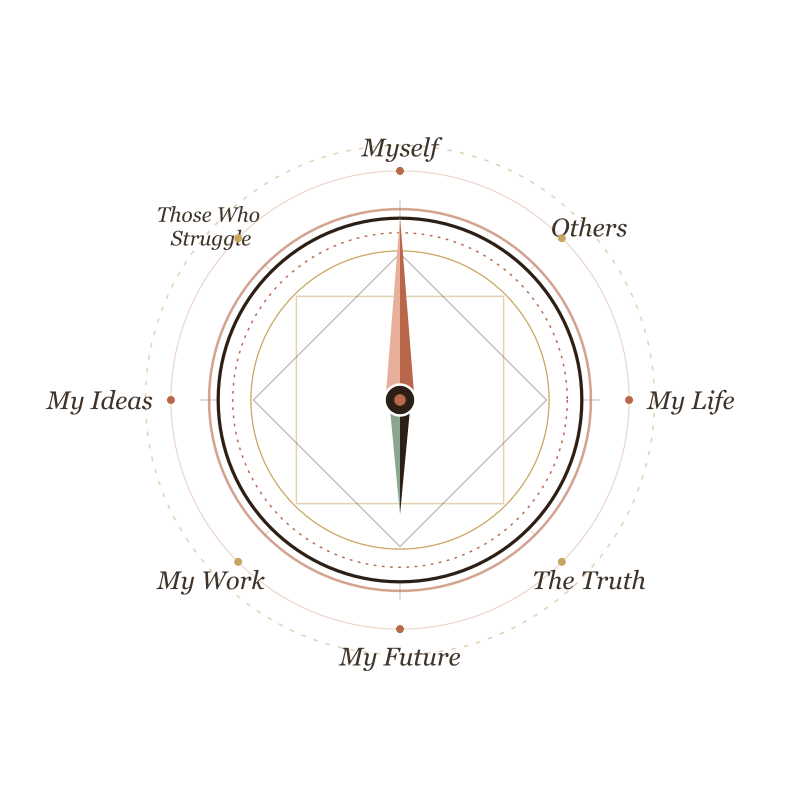
In an Enneagram 8 strategy, the fight response is direct, unfiltered, and physical. You confront anyone who tries to impose control, establishing dominance so you never feel vulnerable. Surrendering the need to overpower others reveals tender protection through Love for Those Who Struggle.
Sexual Instinct
In the Sexual Instinct, the fight response looks like intense provocation and testing limits. You create friction, provoke lively debates, and push interpersonal boundaries to generate electric intensity. Discovering grounded connection through Love for Your Partner allows you to drop the need for constant fireworks.
Judging (J) Tendencies
A Judging temperament naturally seeks structure, closure, and active control over external reality. When facing uncertainty or chaos, a Judging nervous system leans in to organize, dictate, and resolve friction immediately.
3 Ways to Shift from Combat to Calm Authority
You do not have to become passive or allow people to walk over you. You can learn to access real strength without the exhausting fight:
- Pause before defending yourself. When a coworker or friend delivers criticism, notice the immediate impulse to interrupt and counter-attack. Force yourself to wait five seconds. Take a slow, quiet breath. Let the words land in the room before you respond.
- Acknowledge the vulnerability beneath the armor. Ask yourself quietly: “What am I afraid of feeling if I do not win this argument? Am I afraid of looking incompetent? Am I afraid of being dismissed?” Naming the underlying emotion disarms the reactive urge to fight.
- Choose clear boundary statements over debates. You do not need to persuade the other person that you are right. You only need to communicate your boundaries clearly: “I hear your perspective, and I am going to proceed with this direction.” Immovable calm carries far more power than shouting.
Which fight habits do you recognize in your life? (check all that apply)
Fight Response Match
Check off statements above to calculate your match score.
Disarming the Inner Battlefield
Recall a recent disagreement where you felt an intense urge to prove your point or take control. What would it have looked like to stay present without attacking or defending?
From My Book The Age of Self-Realization
“I spent years in politics, and looking back, I can see how easily passion can be twisted into judgment. There were times during arguments, especially with people I didn’t know, when I made them into enemies in my own head, when they were really people with real emotions and genuine reasons for doing what they did.
In politics, it is tempting to love your own group by attacking another group. When I spoke to my own side, I talked to them like human beings deserving of empathy. But when I talked about the other side, I talked about them as if they were an enemy, as if they were simply wrong, cruel, or bad.
That was not strength. That was just another way to avoid having a real conversation. True strength required me to sit down with people I disagreed with and actually listen. I had to ask questions and learn from their lived experiences without needing to conquer the room.”
Erik Thor, The Age of Self-Realization, Chapter on Love for Those Who Struggle
Preorder The Age of Self-Realization
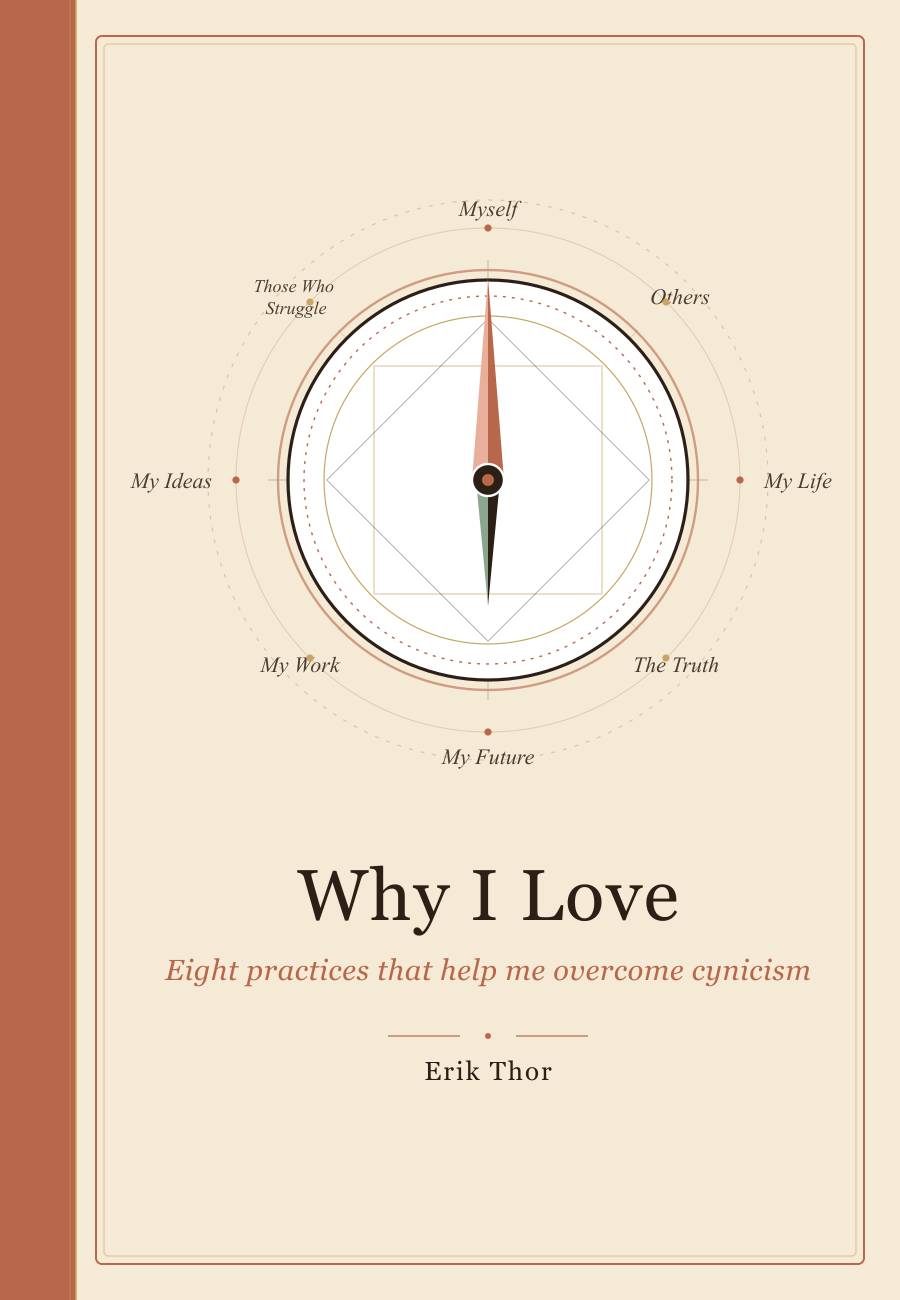
If you resonate with this journey of moving from armored confrontation and dominance to grounded inner peace, calm authority, and genuine respect, explore my first book, The Age of Self-Realization (also available as Why I Love). It shares eight grounded life practices for overcoming cynicism, befriending your emotions, and living with authentic strength.
Explore Related Nervous System and Emotional Strategies
Deepen your understanding of nervous system regulation across the spectrum:
- Why We Freeze When Emotions Feel Overwhelming (How Type 4, 5, and 9 withdraw)
- Why the Flight Response Keeps Us Moving and Planning (How Type 1, 7, and SO outrun distress)
- How the Fawn Response Uses Pleasing to Stay Safe (How Type 2 and SP accommodate)
- How Shame and Love Share the Same Physical Response
- How Anxiety and Excitement Are the Same Physical Sensation
- Why Anger and Passion Are Two Sides of the Same Body Signal
Share

Loading discussion…