
As an INFP, you may have noticed that people often comment on your body language and your curious gaze. They are curious, wise, and often have a mysterious air about them. They seem to speak volumes about your inner world and convey a sense of individualism that sets you apart from others. This is what makes the INFP gaze so unique and intriguing.
INFPs are often described as curious, shy, and wise, with a mysterious, individualistic air to themselves. They appear to march to the beat of their own drums, often tilting their head upwards and gesturing with their hands close to their own body. They tend to have less active eyes and less strong expressions, which can make them seem introverted and reserved.
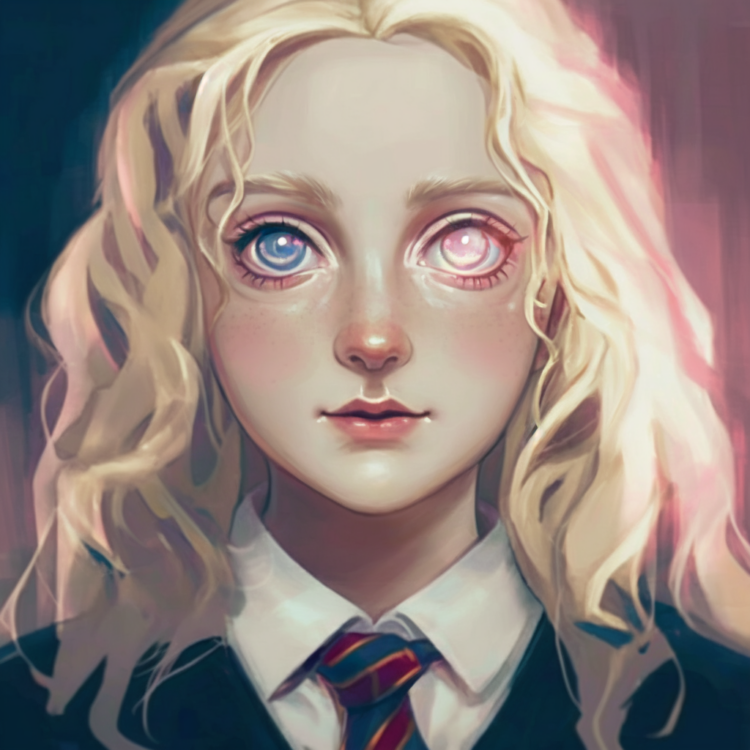
INFP Body Language & The INFP Gaze Explained
If you are an introverted INFP, you may have a tendency to tilt your head upwards and keep your gestures close to your body. Your eyes are less active and your expressions are less strong. However, if you are a more feeling INFP, your eyes may have a dreamy, idealistic expression, and your inner warmth may be reflected in your chin and lower smile, while your cheeks may maintain a serious expression. Your personality should influence your body language, because we use our body and smile and eyes to reflect our inner thoughts and feelings.
“The INFP is often called ‘the Dreamer’ and is characterized by their unique and introspective worldview. Carl Jung’s theory of Introverted Feeling is a key aspect of this personality type, helping to explain their deep-seated values and quest for authenticity.”

INFPs have a natural ability to listen and be open-minded, which is reflected in their relaxed and unfocused gaze. They often have slowly darting eyes, which move in an open-minded and relaxed fashion. This makes them appear as good listeners and invites others to share their lives with them.
If you are a perceiving INFP, you may have a more round and balanced facial expression. Your smile is free-flowing and easygoing. It seems to come from the outside of your face rather than the center. You look with both your eyes and smile with both the left and right side of your face. This immersive expression is a reflection of your natural ability to be in the moment and enjoy life.
INFP In Flow and Stress
Under stress, INFPs can naturally move to more tense, focused, and cold expressions. However, it’s important to note that these expressions have a more negative quality than they would in, say, an ESTJ personality type. It’s therefore more easy to spot an INFP when they are in their best state of mind.
If you’re interested in learning more about INFP eyes and their unique way of expressing themselves, check out the YouTube video linked below. It’s a fascinating exploration of the topic and a great way to gain insight into this personality type.
Find out more about the INFP Gaze in today’s video!
In conclusion, INFP body language, and the INFP gaze can be described as curious, shy, and wise. Their facial expressions reflect their introverted, iNtuitive, Feeling, Perceiving personality. Their unique expressions can be both mysterious and inviting, and they have a natural way of making others feel comfortable and listened to. Check out the video to learn more!
Did you agree with the video? Let me know in the comments below!
Learn more about INFPs by checking out this cool article I wrote.
Share

Loading discussion…