You were born with a particular genetic predisposition
Introversion
A complex set of genes, such as Sensitivity, need for alone time, and error sensitivity, might make you more inclined to introversion.
Feeling
They made you more inclined to optimism, and empathy.
iNtuition
They also made you more likely to engage in daydreaming and more likely to be Curious.
Perceiving
They also made you more inclined towards Play, Adaptability, and Modesty.
Four kinds of INFPs at birth
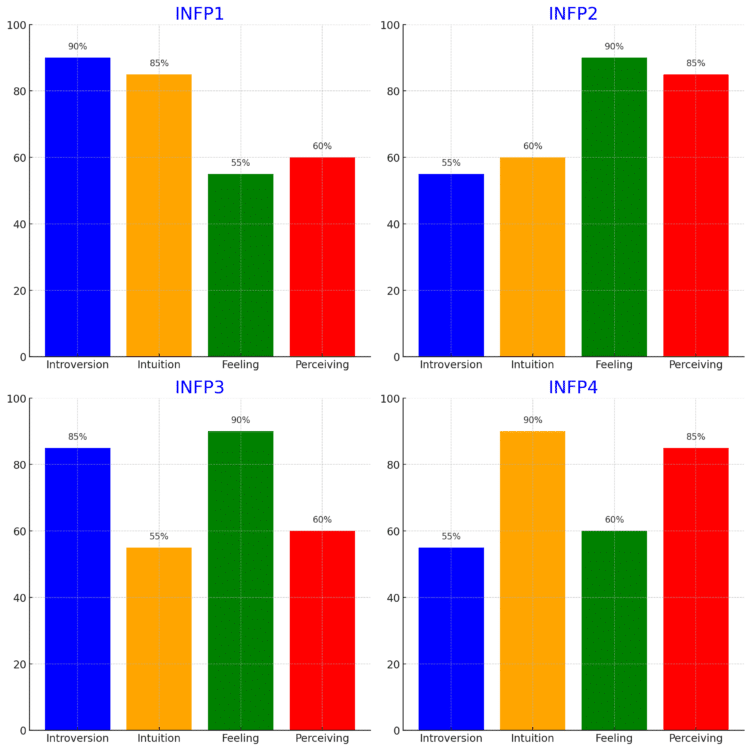
How were they described as babies?
INFP1
- A quiet and observant child who preferred solitary play. Showed an early interest in imaginative games and storytelling.
INFP2
- A sociable baby who loved interacting with people and exploring new toys.
INFP3
- A thoughtful and introspective child who enjoyed quiet activities.
INFP4
- An adventurous and curious baby who loved exploring new environments.
INFP Adults
Let’s look at the same INFPs as adults.
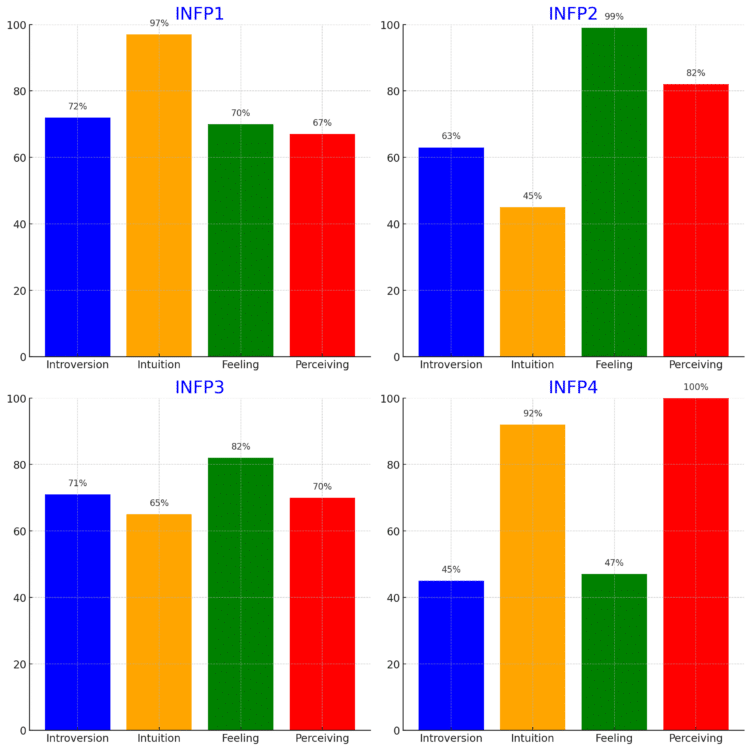
What happened in adulthood?
INFP1
- INFP1 became deeply introspective, channeling their rich inner world into creative pursuits like writing and art.
INFP2
- INFP2 grew into a warm and empathetic individual, thriving in roles that required social interaction and emotional intelligence.
INFP3
- INFP3 maintained their thoughtful and empathetic nature, often being the go-to person for advice and support.
INFP4
- INFP4 embraced a dynamic and adventurous lifestyle, continuously seeking new experiences and knowledge.
INFPs, when retired
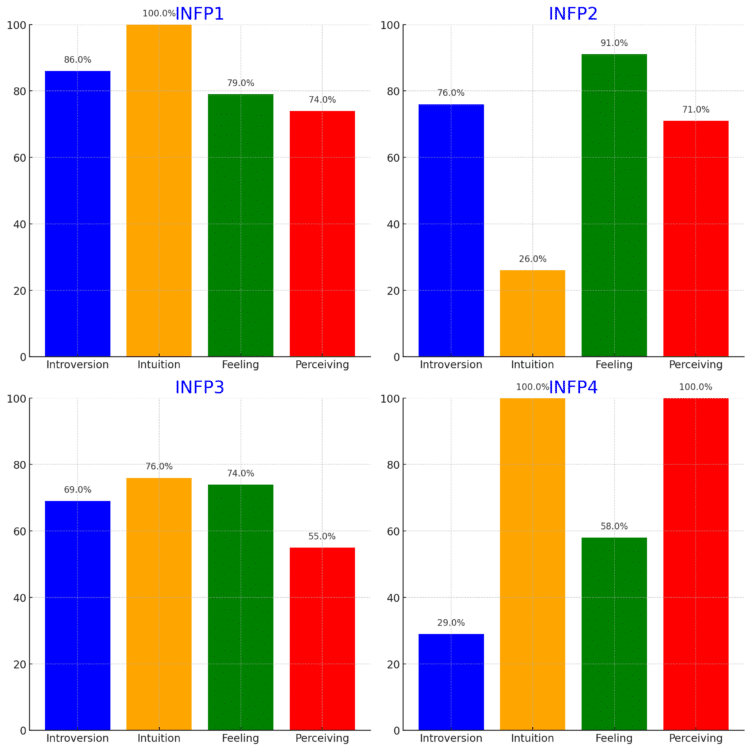
What happened?
INFP1:
- Became an author and a buddhist, joined a meditation circle.
INFP2:
- After their time working in HR, they retired and moved closer to family, where they helped their grandchildren.
INFP3:
- Enjoyed a balanced retirement, while maintaining some work in nonprofit business and community.
INFP4:
- Decided to go traveling when they retired.
You won’t become a completely different person.
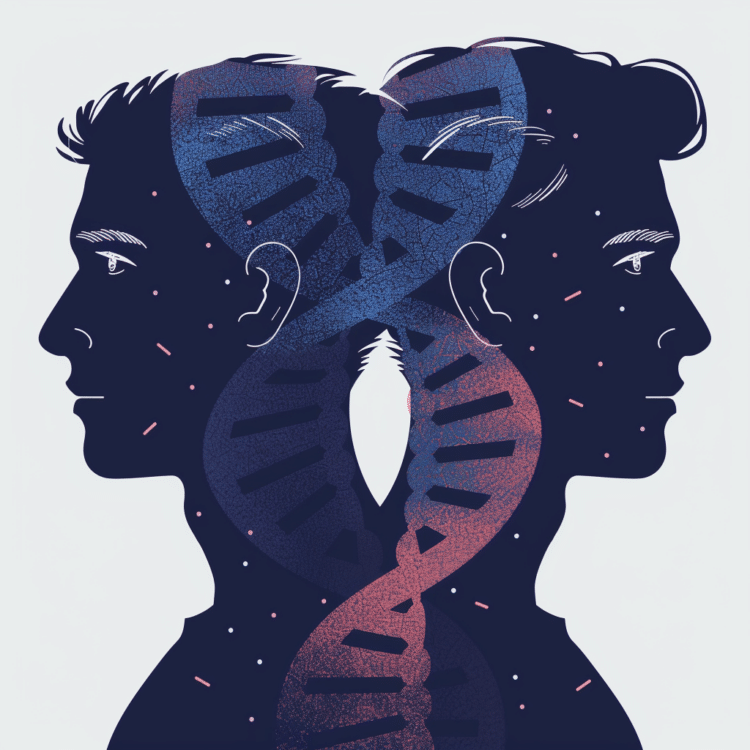
While anyone can change, the apple doesn’t fall far from the tree. While all these INFPs demonstrated considerable changes, they maintained their core spirit and identity.
Conclusions
The best thing you can do is love and accept yourself for who you are and find an environment where you can thrive.
While you can make small and significant improvements in your personality, you can’t become a completely different person, nor should you want to. Our differences are what make us unique.
Share

Loading discussion…