Have you ever found yourself nodding along and agreeing to someone else’s plan, whether a dinner spot or a weekend schedule, even though part of you really wanted something completely different? That easygoing, conflict-avoidant habit is what happens when you rely on an Enneagram 9 strategy.
Rather than a permanent identity of being “peaceful,” Enneagram 9 is an adaptive behavioral strategy. When you use this pattern, you manage Gut Center anger through a Freeze response. When interpersonal friction or harsh demands threaten your calm, you numb your own visceral reactions, blur your personal preferences, and merge with the room to keep the peace.
How Your Nervous System Reacts with Freeze and Anger
When people argue, make sudden demands, or bring heavy emotional chaos into your environment, your nervous system does not push you to fight or run away. Instead, it triggers an internal shutdown. You go quiet, soften your presence, and pull backward into a comfortable inner fog.
Beneath this easygoing posture is often a quiet, defensive belief: “My presence doesn’t really matter. If I speak up and rock the boat, I will destroy the peace and end up alone.”
This coping mechanism provides an immediate buffer: by playing along, you avoid uncomfortable arguments and keep life feeling calm on the surface. But the cost is chronic apathy. Because you cannot selectively numb anger without numbing your other feelings, you also lose touch with your passions, your desires, and your energy. You can end up feeling foggy, stuck, and passively resistant, saying yes with your mouth while digging in your heels inside. What looks like peace from the outside is often just an emotional disappearance.
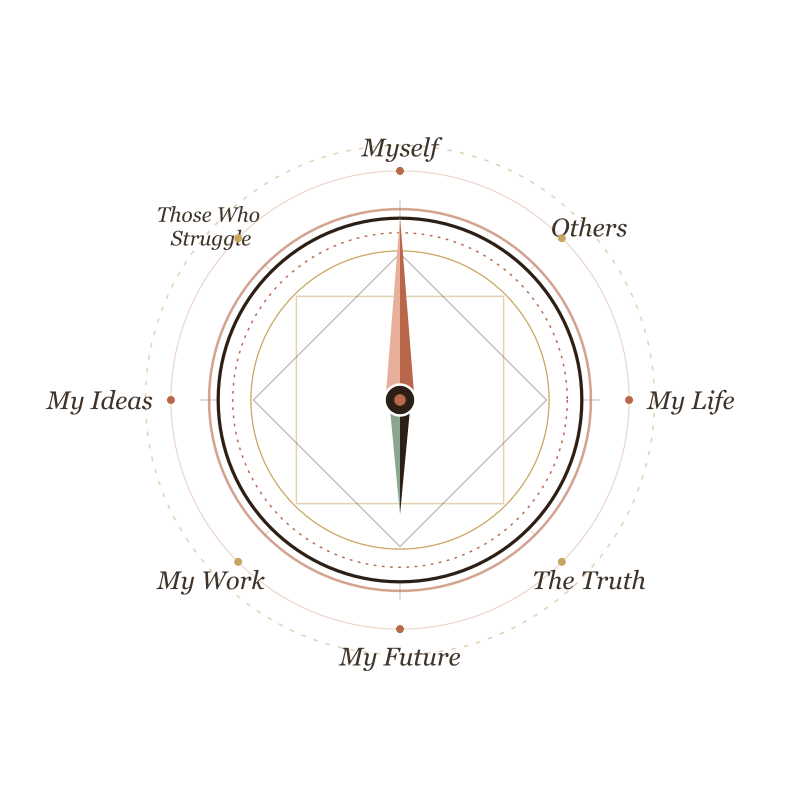
How You Move from Apathy to Harmony
The intensity of your Freeze response shifts depending on whether you numb yourself or step into the room:
- Apathy and Self-Erasure: When you fight conflict by completely checking out, you become numb, lethargic, and disconnected. You spend hours lost in passive distractions (scrolling, watching shows, sleeping) to avoid making decisions. You agree outwardly to everything, but you offer passive-aggressive stubborn resistance and harbor a quiet resentment that nobody notices what you sacrificed.
- Indecision and Accommodating: You feel a distinct twinge of frustration when someone pushes their agenda on you. The Freeze response activates: you downplay your own preferences, tell yourself “It doesn’t really matter to me,” and let others decide. You can recognize that you are biting your tongue, yet speaking up feels too exhausting.
- Presence and True Harmony: When you surrender the fear of conflict and claim your right to take up space, your natural calmness transforms into deep, unshakeable presence. You realize that true harmony is not the absence of disagreement; it is the presence of honest connection. You speak your mind clearly, hold your ground with warmth, and bring authentic unity to the people around you.
Moving from Numbness to Real Presence
Practicing Love for Yourself means cultivating the self-respect to know that your presence, your preferences, and your anger deserve to exist:
- Notice the fog of “I don’t care.” When someone asks what you want and your automatic answer is “I don’t mind, whatever you want,” pause. Ask yourself: “If I were the only person in this room, what would I choose right now?”
- Recognize physical anger before it turns to numbness. Pay attention to physical cues like feeling a heavy tightness in your stomach, a clenched jaw, or an urge to procrastinate. Anger is not dangerous; it is simply physical information telling you that a boundary was crossed.
- Practice expressing one simple disagreement. Tell a friend or colleague one thing you disagree with today, or choose a dinner place without apologizing. Experiencing that relationships survive your honest preferences dismantles the fear that speaking up will destroy connection.
You know you use an Enneagram 9 strategy when… (check all that apply)
Share your match percentage in the comments or post your custom results image to social media.
What It Feels Like in Real Life
A group of friends is deciding where to go for dinner. Two people are debating between sushi and tacos. I’ve eaten tacos twice this week and I really crave sushi. Someone turns to me and asks, “What do you feel like?”
In that split second, a small wave of tension hits my chest. My immediate, automatic response slips out before I can think: “Oh, either is fine with me! You guys pick.” They choose tacos. Sitting at the table twenty minutes later, I feel a quiet, sluggish resentment. Nobody forced me to eat tacos; I gave away my own choice. In my effort to keep things smooth, I erased myself, and then secretly blamed the room for not reading my mind.
A Question for You
What is one personal preference, desire, or boundary you have been minimizing to keep things peaceful? What would happen if you claimed your voice and expressed it clearly today?
From My Book The Age of Self-Realization
“Customer service taught me the importance of modesty and being in service to others. It taught me that I am always in service to something or someone bigger than my ego.
When an angry man would call in, demanding a shower foam replacement, I knew he was just trying to speak up for his girlfriend, probably sitting next to him on the couch. That taught me to look for the tender human intention underneath the surface irritation.
Even when all the pressure was on my shoulders, I could find peace in surrendering to what may come. If I succeed, that’s okay; if I fail, that’s okay too. Self-respect begins when you stop numbing yourself to keep an artificial peace, and instead bring your calm, honest presence directly into the room.”
Erik Thor, The Age of Self-Realization, Chapter on You Don’t Need Anything
Preorder The Age of Self-Realization
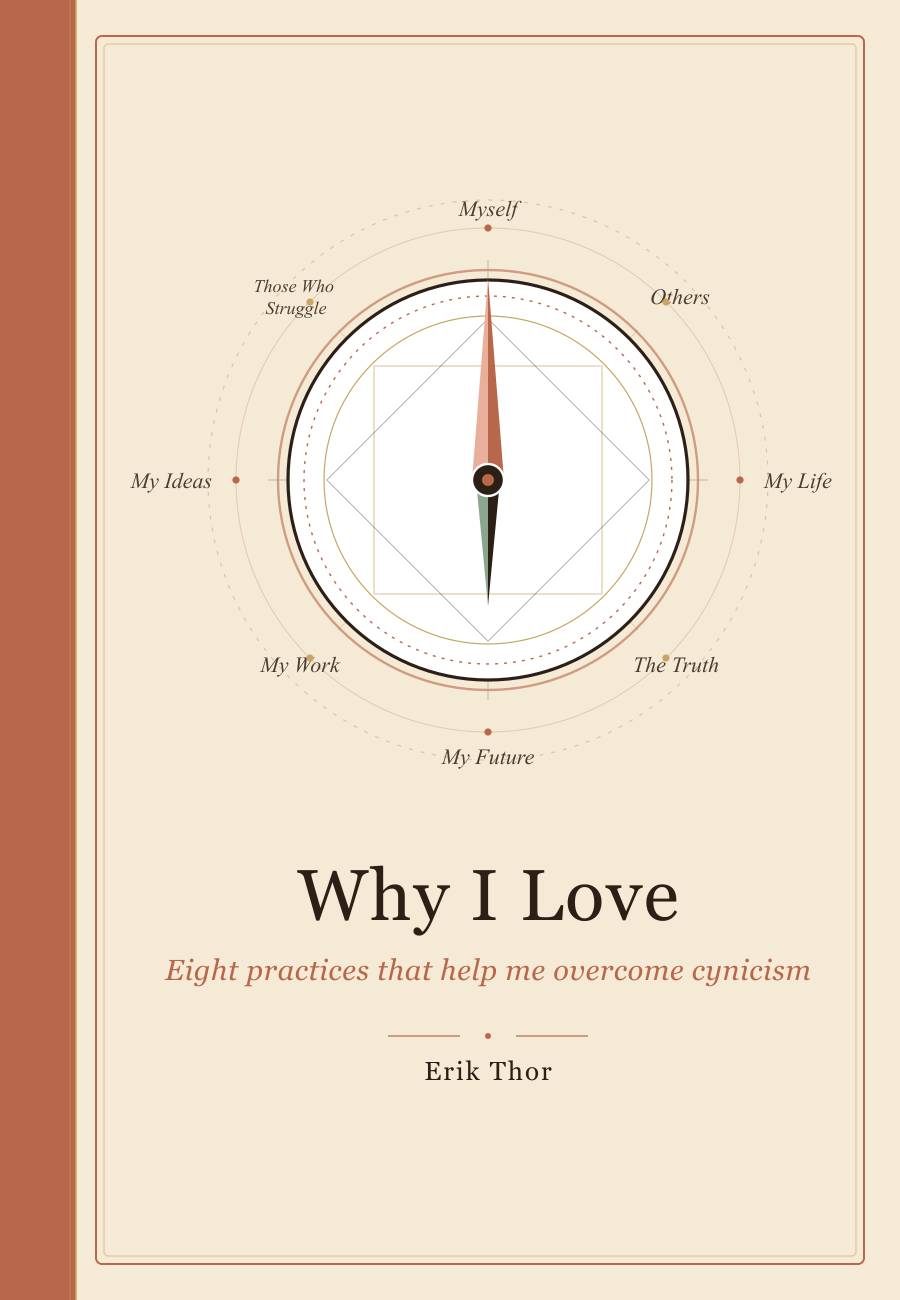
If you resonate with this journey of moving from quiet self-erasure, chronic numbing, and conflict avoidance to grounded self-respect and genuine harmony, explore my first book, The Age of Self-Realization (also available as Why I Love). It shares eight grounded life practices for overcoming cynicism, befriending your emotions, and living with authentic presence.
Share

Shareable Reflection Card
Here is a simple reflection on the Enneagram 9 strategy, formatted to share with others:
The Enneagram 9 Reality
The Habit: “If I say whatever everyone else wants is fine, nobody will fight and I will stay safe.”
The Nervous System: “A Freeze response that manages Gut Center anger by numbing out personal desires.”
The Shift: “Move from apathy to genuine harmony by claiming your self-respect and speaking your truth.”
Caption for Sharing:
Saying ‘whatever you want is fine with me’ is not always peaceful. It can be an Enneagram 9 strategy, a Freeze response that numbs out your own desires to avoid conflict. True harmony is not the absence of disagreement. It begins when you have the self-respect to show up and let your voice be heard.
#Enneagram9 #FreezeResponse #PeoplePleasing #SelfRespect #InnerPeace #Personalitopia