I am currently on the metro, traveling from Kyoto to Koya-san monastery, where I will be staying for a night, to experience Buddhist life for a day.
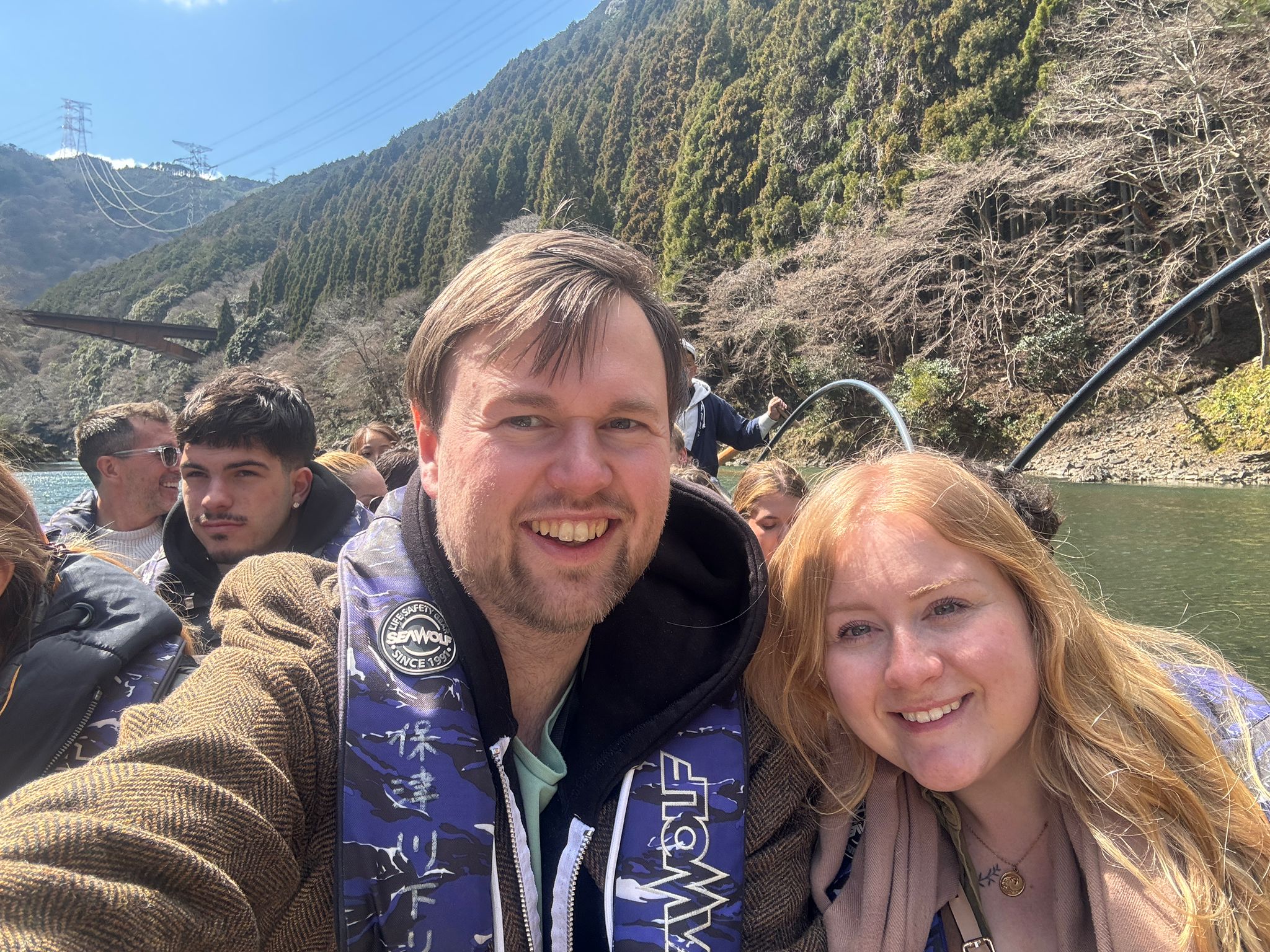
Throughout this trip, me and my fiance Nina have been exploring beautiful Japan, and it has taught us both a lot about what it is like to plan a trip – and how to stay spontaneous. Because I have found that there is a common misunderstanding when it comes to travel. The myth is that there are two kinds of people – those that overplan everything, and those that book everything last minute. Here is what I have found to be the real truth.
In the Myers Briggs Type Indicator, we are taught that there are two kinds of people. Judging people, who are described as Conscientious people, like to follow a plan. Perceiving people, like to keep their options open and go with the flow. This gives the idea that we have two kinds of people in the world. Those that follow the rules and those that rebel against it. But what is the real story?
Carl Jung never used the terms Judging and Perceiving in his works. Isabella Briggs came up with the dichotomy when studying his works. Jung did not even use the term personality types – he spoke about people as whole, rather than as parts. He believed that people might develop attachments to certain lifestyles, for example, one person might be possessed by their introverted thinking, while another person might be stuck in extroverted feeling and that might make it hard for these people to deal with various ways of life. Because of this, to him, psychological types were a type of neurosis. These mental archetypes could take over or thoughts, leading us to obsess about work, relationships, or our personal skills and abilities.
In a similar light, I think we could become possessed by our desire to plan and keep things in a neat and tight box. It could be tempting for us to want to plan out every minute of our trip here in Japan, to make sure that we always follow the schedule, that we cram in all the sights, and that we don’t miss out on anything along the way. But what if we become hungry? What if our legs become too tired? What if it starts to rain? I see little idea to hold on to a plan just for the sake of a plan.
Similarly, the idea of a truly spontaneous trip doesn’t appeal to me at all. We could ofcourse just show up in Tokyo and book our accomodation the same day, wander along streets randomly, eating at whatever backwater restaurant that appears in front of us, or randomly jumping from one activity to the other. But I don’t think most people live like that. I think we all want to have some consistent elements to our life. We might not like our days to be slotted in, it might make us feel less free, but it is nice to know where you will sleep at night. And it is nice to not have to spend hours planning. And that brings me to the myth of Judging and Perceiving. The myth is that they are opposites, when in reality, Judging and Perceiving are healthy balanced forces in the repertoire of a Conscientious person. Because Conscientious life is all about being able to know when to plan, and when to adapt. In my studies of Daoism, I learnt that opposite dichotomies, like Judging and Perceiving, are meant to be broken down to find the healthy Whole. The Yin and Yang come together in harmony to guide us to a good life. So this is what we did to plan our perfect Japan trip.
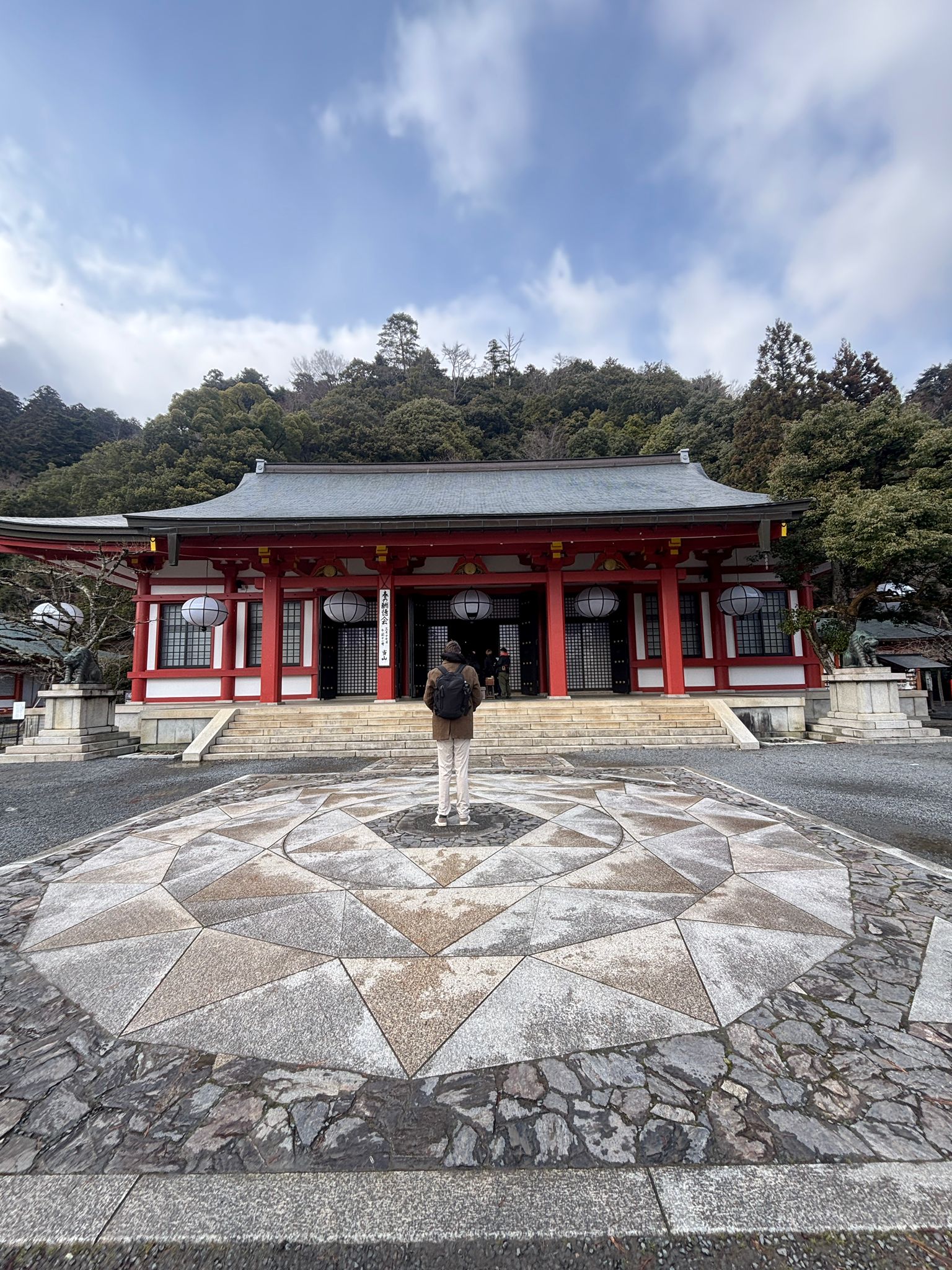
We did our research. We mapped out and pinned our favorite locations. We made rough itinearies. We booked some experiences and hotels that you needed to plan out in advance. We made some reservations, but we also canceled some reservations if we changed our mind. We adjusted our schedule based on our energy and hunger. When the weather was bad, we looked up the weather report, and postponed a trip to the mountains to a few hours later in the afternoon. Judging and Perceiving were in harmony for us, as we pivoted based on what was right in the moment. For us, it was all about making the most out of this experience. We went down riverboats in Hanazawa. We climbed Mount Kurama. We visited beautiful shrines. We went to parks and had amazing authentic food experiences at intimiate restaurants. We avoided overly crowded tourist spots and restaurants. We spent our time in the morning to pick out our favorite spots for breakfast, coffee, lunch, and we planned out our routes. We didn’t rush to make a metro or train because we knew the next one would just arrive ten minutes later. Sometimes we walked, and sometimes, we took the train. This was the perfect balance of freedom and planning. I believe that when we overplan, or underplan, we easily end up in stressful situations. You get frustrated when you end up late for your appointment or when you miss a spot on your list. You get frustrated when you end up in the middle of nowhere and realize you have no plan. You feel anxious when you dont know if you are going to find a nice hotel or have to sleep in a sketchy hostel. You get frustrated when there is a long line outside your favorite restaurant. When a museum is not as nice as you thought, you force your way through it because you had already bought the tickets in advance, and now you don’t want to waste the money. But now you’re wasting your time, too.
Throughout this trip, I have felt at peace. We have been blessed with mostly good weather, and our activities have felt easy and effortless. We have enjoyed pleasant hikes at our own pace. There’s been a few lessons for us too. For example, we realized that if a place has too many reviews, or looks too touristy, it may just not be worth it. We learnt that we shouldn’t spend too long on our phones looking for the best spot and that it is often better to just wander around until you come upon a nice place. We learnt that it is better not to go for food in crowded, touristy areas. I think with every day, you learn more and more how you can balance planning and adaptability in your own life. You learn more about your own preferences. And you learn to let go and to surrender.
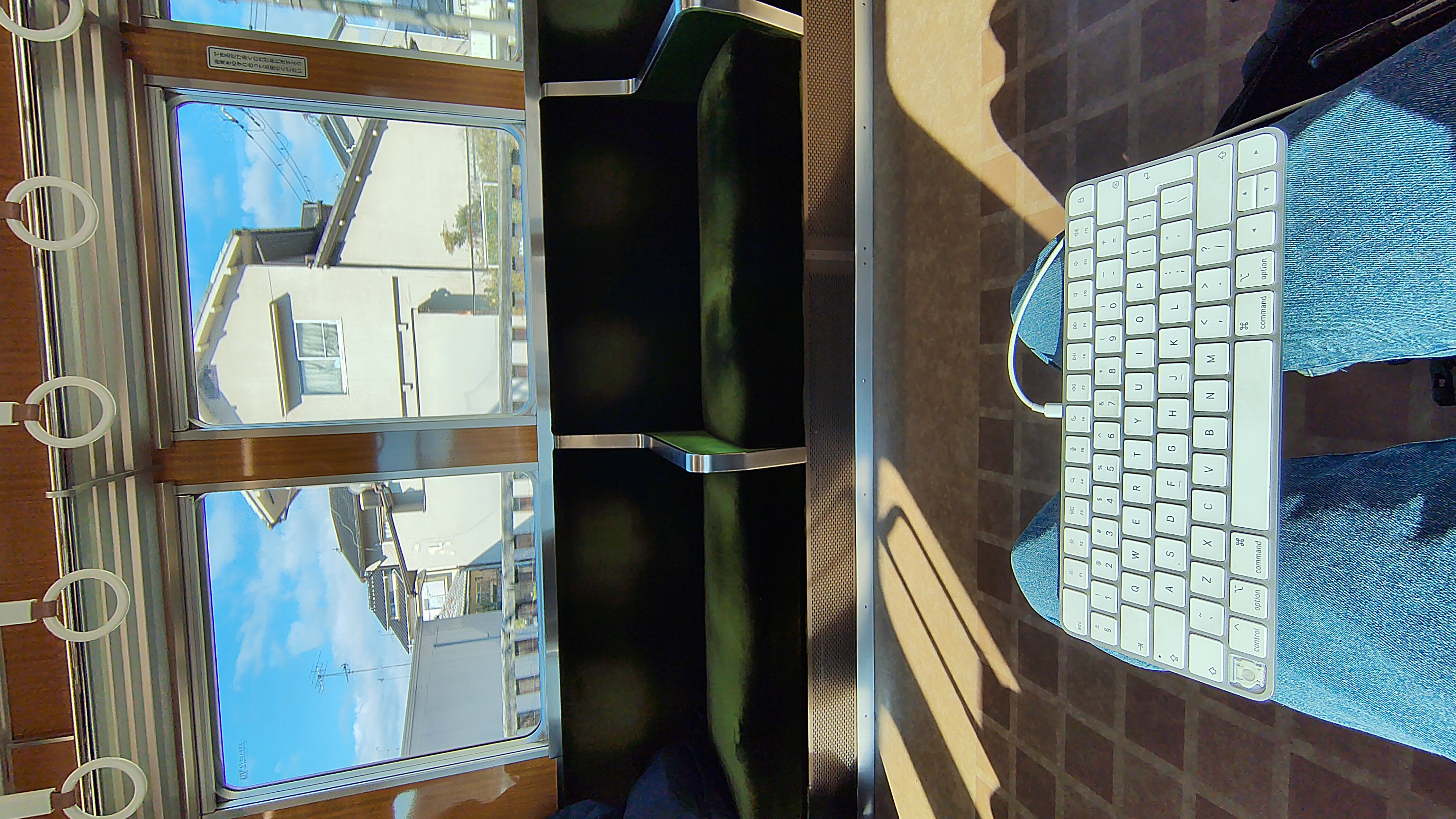
This post was written on the metro. One way I stay flexible in my writing is through this phone keyboard. I can write anywhere I go, with ease, as soon as inspiration strikes!
What are your tips to planning the perfect trip?
Share

Loading discussion…