Do you ever open your phone and feel like the world is constantly trying to recruit you into an argument? Within thirty seconds of scrolling, an algorithm presents a headline specifically constructed to make you angry at a politician, an ideological group, or a stranger you have never met.
Algorithms do not reward calm reflection or genuine understanding; they reward emotional reactivity. When I pause before reacting, I reclaim my own authority.
Erik Thor
I worry a lot about the anger online. And sometimes, I can’t help but get angry, too. Often for no reason at all. Just a headline or a mob mentality that feels hard to resist. Then a week passes, the story turns out to be another nothingburger, and the community moves on to The Next Upsetting Thing.
Have you noticed how exhausting this cycle is?
Perhaps you think that humans are naturally drawn to battle and conflict. For a long time, I believed that too. I looked at the constant arguing on social media and assumed people were simply becoming more hostile, bitter, and aggressive. But when I looked deeper into human psychology and human history, I realized that humans are actually wired for peace and harmony.
Most people in battle will never willingly hurt another person. It takes an enormous amount of psychological pressure, conditioning, and unconscious reaction to bring a person to the point of violence. So why do we get swept away into online screaming matches so easily?
What I found is that we rarely fight out of cruelty. We fight on behalf of other people.
When you see a post online, the trigger is almost never pure selfishness. It is your protective instinct. You see someone who appears wronged, vulnerable, or mistreated, and something inside you says: Somebody needs to speak up for them. Social media algorithms understand this protective instinct deeply.
Platforms do not promote outrage because the software engineers are villains. They do it because anger is the most powerful retention stimulant in existence. An angry person leaves comments, shares posts, clicks links, and spends twenty extra minutes arguing with strangers. To keep you engaged, the system must keep you outraged.
How Platforms Profile Your Personality Traits
Most people know that social media platforms collect browsing data. What many people do not realize is that modern recommendation engines actively profile your psychological traits.
The system notices whether you lean toward quiet reflection or social connection. It tracks whether you respond to imaginative ideas or practical facts, whether you make decisions through objective analysis or empathic feeling, and whether you prefer planned structure or spontaneous freedom.
Once the algorithm understands your tendencies, it does not try to help you become a balanced, centered person. It serves custom psychological triggers designed to push you into an extreme state:
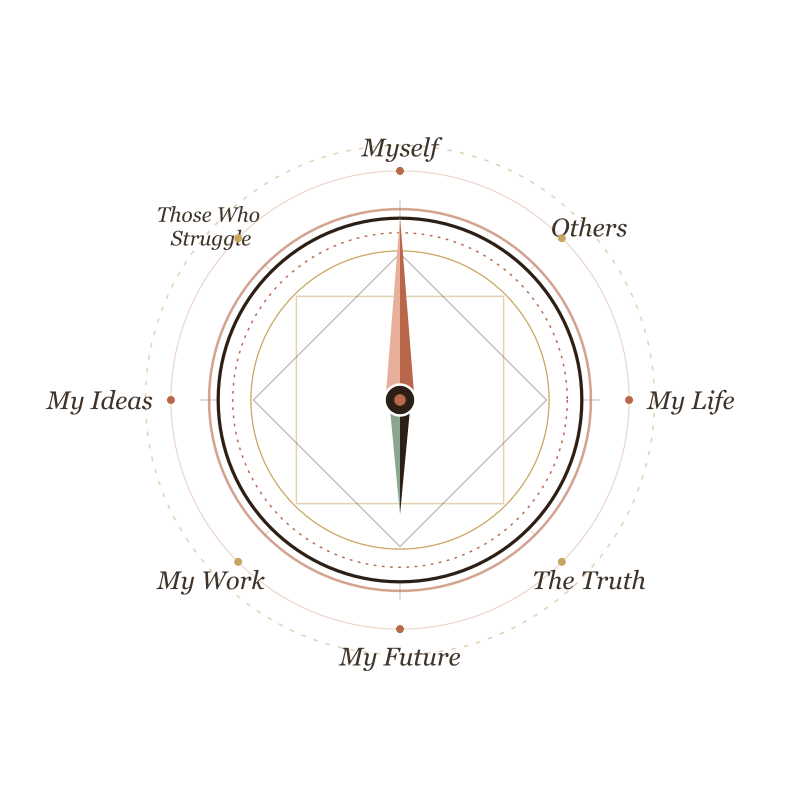
The Eight Algorithmic Pressure Points
Extroversion & Social Exclusion
If the system tags you as socially oriented, it targets your fear of missing out. You are shown events you were not invited to, networking groups moving ahead without you, and discussions warning that if you don’t conform to the group’s opinion, you will be cast out and left alone.
Introversion & Social Exhaustion
If you prefer quiet solitude, the algorithm validates cynicism. It feeds you content about how draining other people are, ads for noise-canceling headphones, and posts reinforcing the idea that everyone around you is loud, obnoxious, and impossible to deal with.
Intuition & Pattern Traps
If you are naturally imaginative and look for underlying themes, the feed presents apocalyptic predictions and hidden conspiracies. It flatters your ego by telling you that you are one of the few who can see the impending collapse while everyone else is hopelessly blind.
Sensing & Threat Alerts
If you are grounded in physical reality and practical traditions, the algorithm warns that your environment is under attack. It highlights sudden cultural changes, threats to cherished customs, and stories designed to make you feel that your daily stability is being stripped away.
Logical Detachment & Superiority
If you value logical consistency, the platform serves content that lets you feel intellectually superior. You are shown videos of people getting ”destroyed with facts and logic,” compilations of people making grammatical or factual mistakes, and stories that invite you to laugh at how irrational others are.
Empathic Sensitivity & Moral Outrage
If you are deeply sensitive to the feelings of others, the algorithm targets your empathy. It floods your feed with stories of innocent people being mistreated by cruel enemies, making you feel personally responsible for speaking out and guilty if you log off to care for yourself.
Goal Structure & Productivity Guilt
If you are disciplined and organized, the feed feeds you stories of people cheating the system or being lazy. To counter this anxiety, it pushes aggressive productivity routines: five-step morning regimens, ice baths, and rigid rules to ensure you never rest.
Flexibility & The Escape Fantasy
If you thrive on spontaneity, the system tells you that you are trapped. It bombards you with nomadic lifestyle ads, encouragements to quit your job without a plan, and invitations to abandon commitments for a shiny, friction-free alternative.
Swarm Intelligence or Mass Stupidity?
When individuals know who they are and stay grounded in their own values, human groups can achieve something wonderful: swarm intelligence.
Much like bees in a hive or ants building a colony, humans are capable of bringing different strengths, viewpoints, and temperaments together to solve problems that no single person could solve alone. But swarm intelligence requires one essential condition: each person must be anchored in their own authentic truth.
When we let algorithms tell us who to hate, what to fear, and which tribe to defend, swarm intelligence collapses into what I call mass stupidity.
The psychologist Carl Jung warned decades ago about what happens when people gather into unconscious collective mobs. Jung pointed out that whatever we cannot face or acknowledge in ourselves, we project onto an outside enemy. On social media, that enemy is always just one click away.
Angry, aggressive individuals get amplified by algorithms because conflict generates metrics. But when people scream at each other online, they are rarely operating from genuine strength. Most often, they are reacting out of fear—fear of being rejected, fear of being overlooked, or fear of being attacked first. As the saying goes, hurt people hurt people.
The antidote to this mob mentality is what I think of as transcendental humanism.
Instead of dividing the world into pure factions, good groups, and evil enemies, transcendental humanism asks us to recognize the human being underneath the ideology. Every person you encounter online has a history, fears, and reasons for acting the way they do. When you reduce a human being to a representative of a political label or a demographic group, you lose the ability to understand them.
Reclaiming Your Own Power
It can feel discouraging to open your phone and see outrage dominating every conversation. You might feel invisible or powerless compared to the loud, aggressive voices that capture all the attention.
What personally helps me is remembering that attention is not the same thing as power.
The person screaming in a viral video has not gained power; they have surrendered their power to the algorithm. They are shaping their personality, their mood, and their values to win approval from an automated system that does not care about them. When you abandon your authentic self to gain applause, you end up wielding someone else’s script.
Real power belongs to the person who can remain calm, honest, and grounded in the middle of a storm.
When you encounter an upsetting headline or a viral controversy, what would happen if you chose not to react right away? What if you took a breath, stepped back, and asked:
- What emotional button is this headline trying to press in me?
- What part of the story am I being shown, and what context is being left out?
- Am I reacting to protect someone, or am I being recruited into an argument that produces nothing?
When you refuse to let an algorithm dictate your emotional state, you reclaim your authority over your own life. You demonstrate that you belong to yourself, not to a feed.
Recognizing Algorithmic Triggers
When you feel sudden anger or the urge to argue online, what specific fear or protective instinct is being activated? What helps you step back, breathe, and return to your own grounded voice?
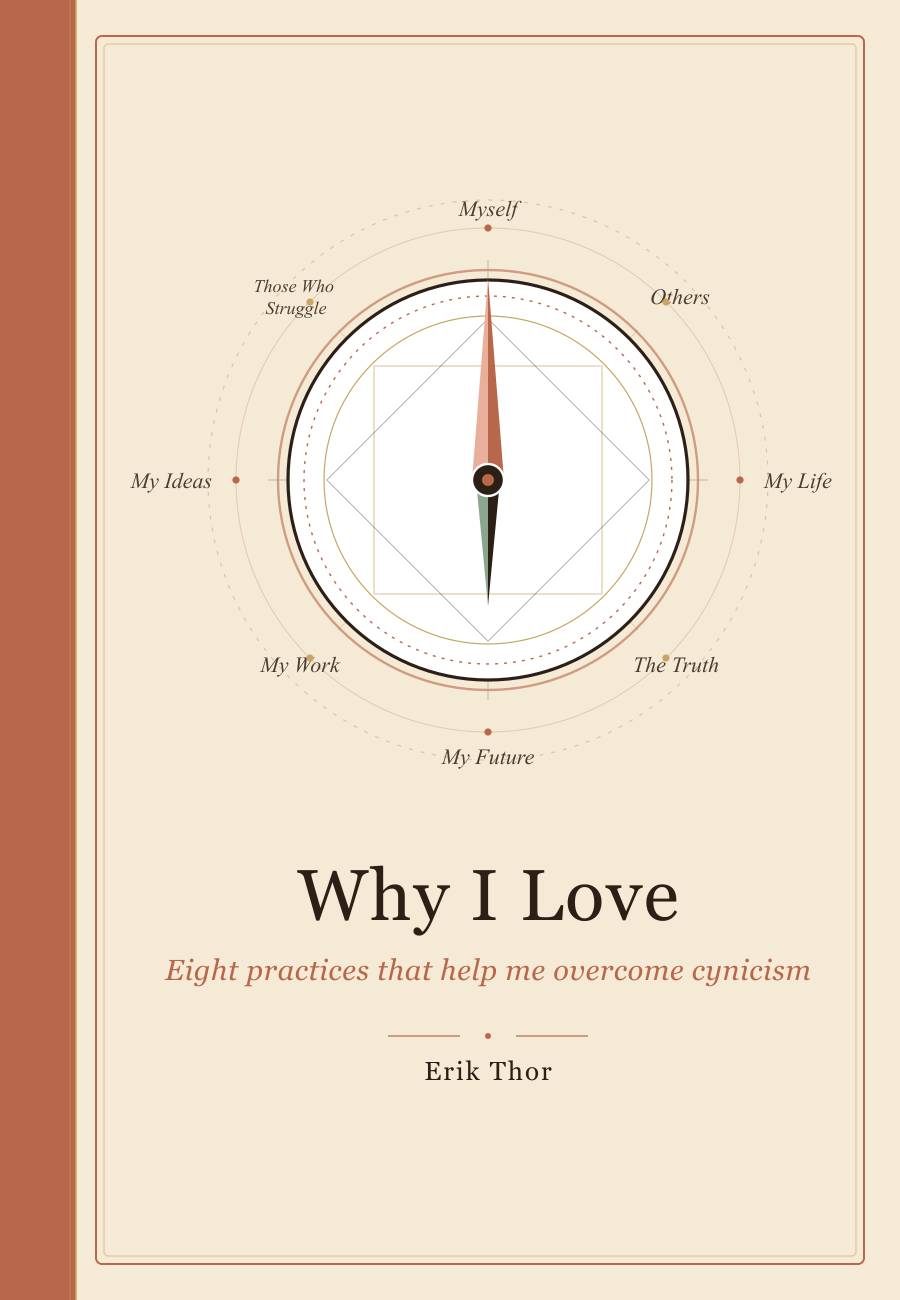
If you want to explore these practices in more depth, I am currently running a crowdfunding campaign for my new book, Why I Love: Eight Practices to Overcome Cynicism. You can learn more and support the pre-order campaign here.
I would love to learn from your experience. How do you protect your peace when scrolling? What helps you stay centered instead of getting swept into the latest online outrage?
Feel free to leave a comment below or reply directly to this post. I read every message.
Share

Loading discussion…