I recently sat down for a conversation with my friend Leon Tsao to talk about Abraham Maslow, human needs, and what it actually takes to grow as a person. Most of us grew up seeing Maslow’s ideas drawn as a rigid pyramid where you have to fix your physical needs, your finances, and your self-esteem in a strict sequence before you are allowed to care about meaning or love. In this video, Leon and I talk about why Maslow never drew that pyramid, and what you can learn about personal growth when you let go of the ladder.
What We Talked About in This Conversation
1. Maslow Never Created the Pyramid of Needs
In our conversation, I share how the famous triangle of needs was actually put together in the 1980s by management consultants looking for a neat diagram to sell to businesses. The pyramid tells you that personal development has to happen in a strict order where you first secure your physical survival, then build your social belonging, then work on your self-esteem, and only at the very top pursue self-actualization.
In my experience, human life does not work in that sequence. In the video, I bring up Viktor Frankl, who survived a concentration camp despite having his basic physical needs and safety taken away. Holding onto a clear sense of meaning and love gave him the strength to keep going. When you have a strong reason why, it helps you take care of your basic needs even when you are going through depression, grief, or financial stress.
2. Why Maslow Studied What It Means to Thrive
I think what made Maslow so radical is that while other psychologists focused on diagnosing mental illness and disorders, he wanted to understand what it means to thrive. You can work your way through therapy to recover from trauma or depression and get back to a baseline where you feel in control of your daily life, but that does not automatically teach you what makes you happy.
Instead of asking how you can force yourself to adapt to a stressful environment or follow a rigid self-help checklist, Maslow asked what you actually need in order to grow, including physical health, belonging, beauty, recreation, mental stimulation, and purpose. You can use his work right now by asking yourself which of your needs are currently met, and in which areas of your life you feel something is missing.
3. The Difference Between Self-Actualization and Self-Transcendence
You might think that self-actualization is the highest goal in Maslow’s work, but later in his life he placed self-transcendence at the top.
- Self-actualization is knowing who you are and bringing your authentic self into your daily life, your craft, your friendships, and your hobbies so that the way you live reflects who you are.
- Self-transcendence is stepping beyond yourself and connecting with something bigger. You experience it in moments of love, awe, and wonder, when you are five years old looking up at the stars or when you sit with someone you love and realize you are not alone here.
When you live from what Maslow called deficiency, you feel like you are chronically lacking. You tell yourself that all you need is the next promotion at work or more reassurance and approval from others. While you spend every spare minute chasing those ego goals, you forget your partner, you forget your children, and you forget to step outside and take a breath.
4. My Own Loop in the YouTube Bubble and Starting Over in Barcelona
I also shared a personal story with Leon about a period in my late twenties when I thought I was pursuing self-actualization through my work online. Every day I woke up, recorded videos, posted them, and refreshed my analytics to see how many views, likes, and comments I got. When a kind comment came in, I felt relieved for ten minutes, and then I immediately started worrying about the next video. I was chasing belonging and approval through numbers, and I felt completely disconnected from the actual people watching.
Eventually, between an unhealthy nine-to-five job, chronic stress, and the end of a relationship, I hit rock bottom. I realized that if I kept hardening myself and chasing external validation, I was never going to be happy.
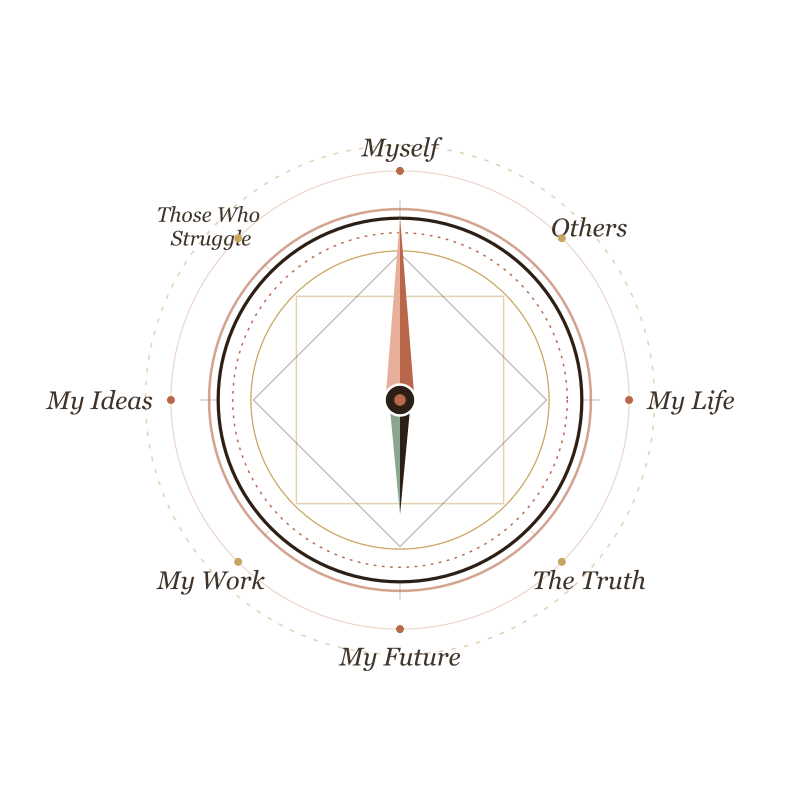
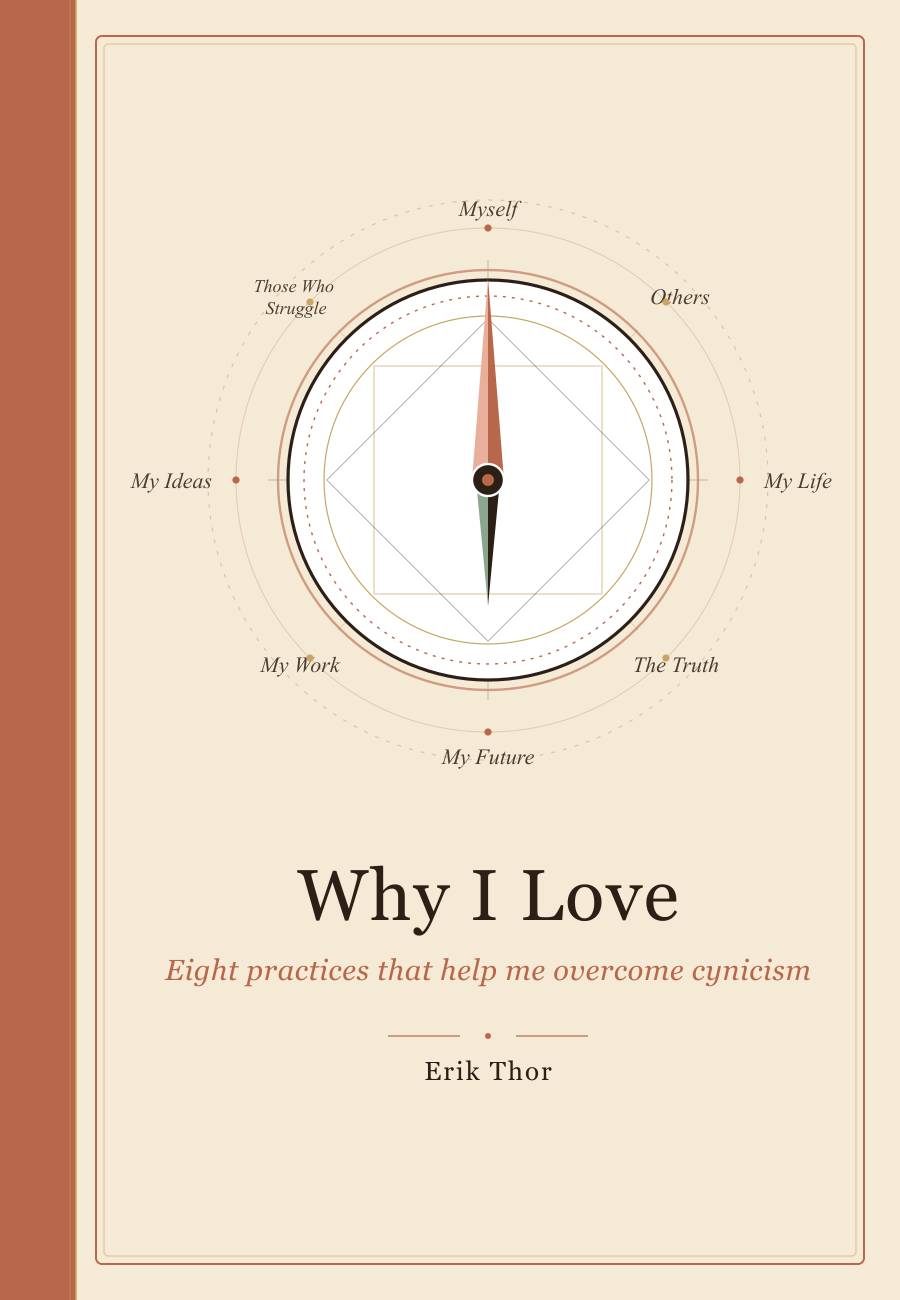
Moving to Barcelona gave me a chance to step out of that loop. I cut my working hours down to twenty hours a week, lived simply, and started doing things purely for the experience itself rather than for an outcome. I learned Spanish not for a career goal, but just to connect with the people around me. I practiced meditation and learned to observe my thoughts and feelings without letting every anxious thought define who I am. That shift is what opened the door for me to write my book, Why I Love, and to meet my wife.
5. Self-Transcendence Is Available Right Now
You do not have to wait until your life is problem-free or climb to the top of a personal development pyramid to experience self-transcendence. Even on a stressful afternoon when your inbox is full and you have real problems to solve, you can step outside, look up at the sky, take a deep breath, and let go of your ego for a single minute. That state of connection and love is available to you right here and right now.
A Question for Your Own Growth
Which human need have you been postponing because you told yourself you have to fix everything else in your life first? What is one small thing you can do today purely for the experience of connection, curiosity, or wonder?
Share

Loading discussion…