Esc för att stänga ↑↓ för att navigera Enter för att välja

Why a Personality Test Can Never Tell Who You Are at Work

Hej, jag är Erik Thor—en utvecklare, psykolog och skribent. Jag utforskar personlighetsspektrum, kognitiva funktioner och utveckling. Läs min historia eller stöd mitt arbete.

ℹ Det här inlägget har översatts från engelska till svenska. Klicka här för att se originalversionen.

For over two decades, modern hiring has relied on automated tests to sift through applicants. But human beings cannot be slotted into colored boxes. There are no ”red” or ”blue” people. I believe it is time to retire unscientific personality testing in hiring. In this article, I want to show what the research actually reveals, and how we can use constructive alternatives to find and hire the right people.

You sit at your kitchen table late at night and open the assessment link sent by a recruiter. On your screen, you meet eighty behavioral statements and a five-point scale.

Now you start negotiating with yourself. What do they want you to say? Do I agree with this? Or not at all? In what context do they mean? At work? Or when I am with my partner?

You get a prompt: ”I take a methodical and analytical approach to solving problems.”

When I worked as an engineer, I was deeply methodical. When I moved into leading teams, I became much more decisive and outward-facing. But it depends entirely on what the situation demands. You click ”Strongly Agree.”

It turns out to be the wrong answer. The system’s target profile for this role wanted an action-oriented ”doer,” not an over-analyzer. Your match percentage drops. You are expected to magically guess what an algorithm decided a role requires.

When I look at what is happening across corporate hiring today, I see how pervasive this machinery has become.

In the United States, logistics giants and retailers require automated assessments via platforms like Criteria Corp, Wonderlic, or Harver before a human ever looks at a resume. In the United Kingdom, graduates applying to the Civil Service Fast Stream or FTSE 100 firms must navigate hours of SHL Verify or Cappfinity numerical and situational tests. In Australia, the big four banks and government agencies deploy Revelian cognitive tests (Cognify) to screen thousands of university applicants.

Companies claim this makes recruitment ”objective” and free of bias. In reality, it produces misunderstandings and filters out exceptional people.

The Reality of the Assessment Industry

What happens when an entire labor market outsources human judgment to automated algorithms? Here is what independent data and empirical research reveal about pre-employment screening across the US, UK, and Australia.

75–80% of Large Employers Use Tests

In the United States, between of large enterprises and Fortune 500 companies use formal pre-employment tests to screen applicants before interviews.

A $3 Billion Global Industry

The global pre-employment testing market exceeds . Millions are spent by corporations and public agencies on software licenses, test batteries, and recruiter certifications.

Millions of Unpaid Hours

Hundreds of millions of job applications pass through online assessment steps each year. With typical test batteries taking 30 to 60 minutes, job seekers invest completing matrices, numerical tests, and Likert scales without feedback.

Personality Tests Explain Only 2% of Performance

According to the landmark meta-analysis by Sackett et al. (2022), personality inventories (Big Five / Five-Factor Model) have an operational validity of only . This means personality tests explain less than 2 to 4 percent of actual on-the-job performance.

How Accurately Do Selection Methods Predict Job Performance?

Explained variance in future job performance (R²) according to the meta-analysis by Sackett et al. (2022):

Four-Color Tests (DiSC)
0%
Personality Inventory (Big Five)
~2%
Cognitive Test (GMA / Matrices)
~10%
Work Sample Test
~11%
Structured Qualitative Interview
~18%

Why Logic Tests Fail as a Gatekeeper

There is an established statistical correlation between cognitive ability tests and job performance. But a correlation of up to 0.31 explains at most a tenth of average candidate performance. When used as a hard gatekeeper, capable candidates are eliminated simply because they had a poor night of sleep, test anxiety, or a non-linear way of thinking.

There is scientific support that general mental ability (GMA) correlates with job performance. In comprehensive meta-analyses like Sackett et al. (2022), the operational correlation is approximately 0.31. That means logic tests explain roughly 10 percent of job performance.

The remaining 90 percent depends on entirely different factors: motivation, domain experience, professional judgment, interpersonal skills, and how the workplace environment supports the person. Using an abstract 15-minute test as an automated gatekeeper locks out talented people on arbitrary grounds.

From Supervised Psychology to Midnight at the Kitchen Table

When psychologists first measured the validity of cognitive testing, it was done in controlled environments: rested candidates, quiet rooms, and trained proctors who could notice if an applicant had a migraine or misunderstood instructions.

When these tests were moved online as unproctored screening links, that standardization fell apart:

  • A bad day disqualifies you: Taking a timed test at home late in the evening means poor sleep or a misunderstanding of a single question on a personality test destroys your score. You receive an automated rejection without recourse.
  • Non-linear and creative thinkers are punished: Matrix tests reward one specific convergent way of thinking. Lateral problem-solvers and divergent thinkers are discarded as ”unsuitable.”
  • Practice beats ability: Applicants who practice matrix puzzles in advance dramatically outperform those who have never seen the format. The test measures test familiarity rather than real-world competence.
  • Wrong tool for the job: While abstract logic matters in deep system architecture, the same tests are used indiscriminately for customer success, healthcare management, and sales.

The AI Trap That Punishes Honesty

Modern multimodal AI models have broken unproctored online logic tests. Anyone can screenshot a 3×3 Raven’s matrix and get the correct answer within five seconds.

The consequence in real-world hiring is counterproductive:

  • The honest candidate who sits alone under a 20-second timer gets seven out of twelve correct and is eliminated by the ATS.
  • The applicant who uses AI assistance gets twelve out of twelve and is flagged as a ”top performer.”

The test no longer measures problem-solving. It filters against straightforward honesty.

Selection Systems Force Candidates to Act

When a recruitment system sets rigid benchmarks, it does not encourage authenticity. It encourages acting.
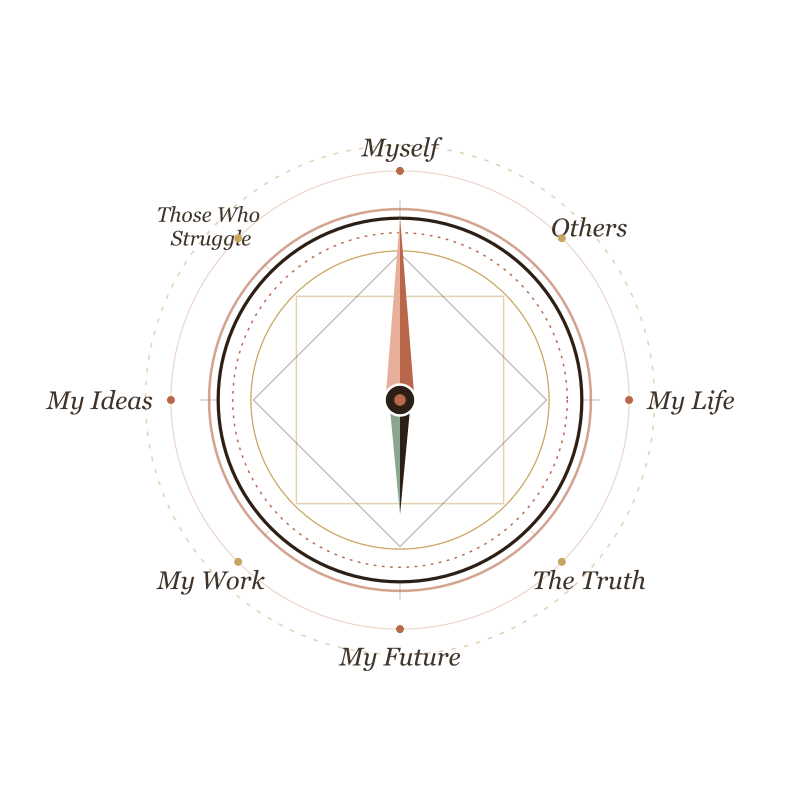
Take the Eight Practices of Love Test
Promotion

Take the Eight Practices of Love Test

Find out which of the eight practices of love you lean on, and which one you have been avoiding.

Take the test

When people feel they must pretend to be someone they are not, employers hire a persona instead of a real person. Capable candidates who answer honestly are filtered out in favor of those who mirror superficial keywords and personality profiles.

When a company writes a job description, they often think they need one specific profile. But when they meet a real candidate and understand their character, they frequently realize that entirely different strengths matter far more.

Applicants adapt quickly. They paste job descriptions into AI tools to optimize their resumes and guess the ”correct” answers on behavioral inventories to maximize their ”role fit” score.

Frequently Asked Questions About Tests in Hiring

How can employers handle hundreds of applicants without automated test filters?

Volume is a genuine challenge. Receiving hundreds of applications makes automated filters tempting. But if an organization must narrow down a pool of qualified applicants who meet the baseline criteria, random lottery selection among all qualified candidates is far more honest and equitable than pretending a test with 2% predictive validity reveals true merit.

Do recruiters and hiring teams have the expertise to interpret psychometric scores?

Rarely. Few recruiters have background in psychometrics. Results are usually read mechanically from software dashboards: percentiles and red flags. Little thought is given to measurement error, context, or how life circumstances affected the score that day.

Why not keep tests simply as a supplement to the interview?

When placed at the top of the funnel, tests do not act as supplements. They act as automated gatekeepers that turn away talented people before anyone reads their work. Those who pass are then evaluated using automated interview guides that focus on their ”flaws,” narrowing the conversation into an interrogation.

Try the Recruitment Simulator

What does it feel like to be evaluated by an algorithm? Select a role below and answer three typical test steps under time pressure to see how your answers are scored, what the system flags, and what the employer sees in their dashboard.

.recruitment-sim { font-family: inherit; color: var(–wp–preset–color–ink, #2C1F15); margin-top: var(–wp–preset–spacing–30, 24px); } .sim-step { display: none; background: var(–wp–preset–color–base-2, #FAF6EC); border: 1px solid rgba(44, 31, 21, 0.12); border-radius: var(–wp–custom–radius–card, 12px); padding: var(–wp–preset–spacing–30, 28px); margin-bottom: var(–wp–preset–spacing–30, 24px); } .sim-step-active { display: block; animation: simFadeIn 0.25s ease-in-out; } @keyframes simFadeIn { from { opacity: 0; transform: translateY(4px); } to { opacity: 1; transform: translateY(0); } } .sim-header { display: flex; justify-content: space-between; align-items: baseline; border-bottom: 1px solid rgba(44, 31, 21, 0.1); padding-bottom: 12px; margin-bottom: 20px; } .sim-title { font-family: var(–wp–preset–font-family–heading, ’Fraunces’, serif); font-size: 1.25rem; font-weight: 600; color: var(–wp–preset–color–accent-1, #B8674A); margin: 0; } .sim-timer { font-family: monospace; font-size: 1.1rem; font-weight: bold; color: #C2410C; background: rgba(194, 65, 12, 0.08); padding: 4px 10px; border-radius: 4px; } .sim-btn-group { display: grid; grid-template-columns: repeat(auto-fit, minmax(200px, 1fr)); gap: 12px; margin-top: 16px; } .sim-role-btn, .sim-opt-btn { background: #FFFFFF; border: 1.5px solid rgba(44, 31, 21, 0.18); border-radius: var(–wp–custom–radius–sm, 8px); padding: 14px 18px; text-align: left; font-size: 0.95rem; font-family: inherit; color: var(–wp–preset–color–ink, #2C1F15); cursor: pointer; transition: all 0.15s ease; } .sim-role-btn:hover, .sim-opt-btn:hover { border-color: var(–wp–preset–color–accent-1, #B8674A); background: rgba(184, 103, 74, 0.04); } .sim-likert-scale { display: grid; grid-template-columns: repeat(5, 1fr); gap: 8px; margin: 24px 0 12px 0; } .sim-likert-btn { background: #FFFFFF; border: 1.5px solid rgba(44, 31, 21, 0.18); border-radius: 8px; padding: 12px 6px; font-size: 0.85rem; font-family: inherit; cursor: pointer; text-align: center; transition: all 0.15s ease; } .sim-likert-btn:hover { border-color: var(–wp–preset–color–accent-1, #B8674A); background: rgba(184, 103, 74, 0.08); } .sim-matrix-grid { display: grid; grid-template-columns: repeat(3, 70px); gap: 8px; justify-content: center; margin: 20px auto; background: #EAE4D7; padding: 12px; border-radius: 8px; width: fit-content; } .sim-matrix-cell { width: 70px; height: 70px; background: #FFFFFF; border: 1px solid rgba(44, 31, 21, 0.15); display: flex; align-items: center; justify-content: center; font-size: 1.4rem; border-radius: 4px; } .sim-matrix-question { background: rgba(184, 103, 74, 0.15); color: var(–wp–preset–color–accent-1, #B8674A); font-weight: bold; } .sim-matrix-options { display: flex; gap: 12px; justify-content: center; flex-wrap: wrap; margin-top: 16px; } .sim-matrix-opt-btn { width: 54px; height: 54px; background: #FFFFFF; border: 1.5px solid rgba(44, 31, 21, 0.2); border-radius: 6px; font-size: 1.3rem; cursor: pointer; display: flex; align-items: center; justify-content: center; transition: all 0.15s ease; } .sim-matrix-opt-btn:hover { border-color: var(–wp–preset–color–accent-1, #B8674A); background: rgba(184, 103, 74, 0.08); } .sim-forced-table { width: 100%; border-collapse: collapse; margin-top: 16px; } .sim-forced-table td { padding: 12px; border-bottom: 1px solid rgba(44, 31, 21, 0.1); } .sim-tag-btn { padding: 6px 12px; border-radius: 4px; border: 1px solid rgba(44, 31, 21, 0.2); background: #FFFFFF; font-size: 0.8rem; cursor: pointer; margin-right: 6px; } .sim-tag-btn.active-mest { background: #2E7D32; color: #FFFFFF; border-color: #2E7D32; } .sim-tag-btn.active-minst { background: #C62828; color: #FFFFFF; border-color: #C62828; } .sim-results-nav { display: flex; gap: 8px; border-bottom: 2px solid rgba(44, 31, 21, 0.1); margin-bottom: 20px; } .sim-tab { padding: 10px 16px; background: none; border: none; font-family: inherit; font-size: 0.95rem; font-weight: 600; color: var(–wp–preset–color–contrast-2, #666); cursor: pointer; border-bottom: 3px solid transparent; margin-bottom: -2px; } .sim-tab.active { color: var(–wp–preset–color–accent-1, #B8674A); border-bottom-color: var(–wp–preset–color–accent-1, #B8674A); } .sim-panel { display: none; } .sim-panel.active { display: block; } .sim-fit-meter { height: 14px; background: #E5E7EB; border-radius: 7px; overflow: hidden; margin: 12px 0 20px 0; } .sim-fit-fill { height: 100%; background: #DC2626; width: 0%; transition: width 0.6s ease; } .sim-reason-box { background: rgba(198, 40, 40, 0.06); border-left: 4px solid #C62828; padding: 14px; margin: 16px 0; border-radius: 0 8px 8px 0; font-size: 0.9rem; } .sim-reason-box ul { margin: 8px 0 0 16px; padding: 0; } .sim-reason-box li { margin-bottom: 6px; } .sim-rejection-note { font-size: 0.85rem; color: var(–wp–preset–color–contrast-2, #666); margin-top: 14px; }

Step 1 of 4: Choose a Target Role

Benchmarking Profile

Select which position you are applying for. The ATS algorithm will compare your results against a predefined behavioral target profile:

Step 2 of 4: Pattern Reasoning Test

00:15

Find the missing piece in the 3×3 pattern sequence below before time expires:

●
●●
●●●
▲
▲▲
▲▲▲
■
■■
?

Step 2b of 4: Rotation Reasoning

00:15

Identify the next rotation in the sequence:

↑
→
↓
←
↑
→
↓
←
?

Step 3 of 4: Behavioral Self-Assessment

Untimed

Rate the following statement on how well it describes you in a work context:

”I analyze decisions methodically and carefully before moving forward.”

Step 4 of 4: Forced-Choice Assessment

Mandatory Selection

Select which statement fits you MOST and which fits you LEAST:

A: I challenge decisions when I see flaws in the plan.
B: I prioritize team harmony even when disagreements arise.
C: I focus strictly on immediate targets rather than long-term theory.

Your Personal Development Feedback

Thank you for completing your pre-employment assessment for Software Engineer.

Cognitive Problem Solving: Completed

Primary Behavioral Dimensions:

  • Openness & Inquiry: Balanced (55th Percentile)
  • Conscientiousness & Pace: High Drive (82nd Percentile)
  • Extraversion & Collaboration: Reflective (42nd Percentile)
  • Emotional Composure: Resilient (76th Percentile)

The report concludes with a polite template message: ”We appreciate your time and will be in touch once all applications have been reviewed.”

Automated ATS Screening Decision: NOT RECOMMENDED

Target Match: 38% Role Fit

ATS Automated Action: Placed in ”Low Fit” queue. Trigger standard automated rejection email after 48-hour delay.

Algorithmic Behavioral Interview Guide

The system flags deviations from the ideal profile and generates standardized verification questions for the interviewer:

Notice how the algorithm transforms normal human nuance into a series of interrogative verification traps.

(function() { let simRole = ’Software Engineer’; let simCompany = ’Tech Enterprise’; let simTimerId = null; let simTimeRemaining = 15; let simLogicQ1Correct = false; let simLogicQ2Correct = false; let simLikertScore = 3; let forcedMest = null; let forcedMinst = null; window.simChooseRole = function(role, comp) { simRole = role; simCompany = comp; document.getElementById(’sim-step-1’).classList.remove(’sim-step-active’); document.getElementById(’sim-step-2’).classList.add(’sim-step-active’); startTimer(1, function() { simAnswerLogic1(false); }); }; function startTimer(num, onExpire) { if (simTimerId) clearInterval(simTimerId); simTimeRemaining = 15; const timerEl = document.getElementById(’sim-timer-’ + num); if (timerEl) timerEl.innerText = ’00:15’; simTimerId = setInterval(function() { simTimeRemaining–; const formatted = (simTimeRemaining < 10 ? ’00:0′ : ’00:’) + simTimeRemaining; if (timerEl) timerEl.innerText = formatted; if (simTimeRemaining <= 0) { clearInterval(simTimerId); onExpire(); } }, 1000); } window.simAnswerLogic1 = function(isCorrect) { if (simTimerId) clearInterval(simTimerId); simLogicQ1Correct = isCorrect; document.getElementById(’sim-step-2’).classList.remove(’sim-step-active’); document.getElementById(’sim-step-2b’).classList.add(’sim-step-active’); startTimer(2, function() { simAnswerLogic2(false); }); }; window.simAnswerLogic2 = function(isCorrect) { if (simTimerId) clearInterval(simTimerId); simLogicQ2Correct = isCorrect; document.getElementById(’sim-step-2b’).classList.remove(’sim-step-active’); document.getElementById(’sim-step-3’).classList.add(’sim-step-active’); }; window.simAnswerLikert = function(score) { simLikertScore = score; document.getElementById(’sim-step-3’).classList.remove(’sim-step-active’); document.getElementById(’sim-step-4’).classList.add(’sim-step-active’); }; window.simTagForced = function(item, type) { if (type === ’mest’) { if (forcedMinst === item) { forcedMinst = null; updateForcedBtnStyles(); } forcedMest = (forcedMest === item) ? null : item; } else { if (forcedMest === item) { forcedMest = null; updateForcedBtnStyles(); } forcedMinst = (forcedMinst === item) ? null : item; } updateForcedBtnStyles(); document.getElementById(’sim-finish-btn’).disabled = Boolean(!forcedMest || !forcedMinst); }; function updateForcedBtnStyles() { [’A’, ’B’, ’C’].forEach(function(l) { const bMest = document.getElementById(’f-’ + l.toLowerCase() + ’-mest’); const bMinst = document.getElementById(’f-’ + l.toLowerCase() + ’-minst’); if (bMest) bMest.className = ’sim-tag-btn’ + (forcedMest === l ? ’ active-mest’ : ”); if (bMinst) bMinst.className = ’sim-tag-btn’ + (forcedMinst === l ? ’ active-minst’ : ”); }); } window.simShowResults = function() { document.getElementById(’sim-step-4’).classList.remove(’sim-step-active’); document.getElementById(’sim-step-5’).classList.add(’sim-step-active’); function setContent(id, text) { const el = document.getElementById(id); if (el) el.innerHTML = text; } let correctCount = (simLogicQ1Correct ? 1 : 0) + (simLogicQ2Correct ? 1 : 0); let simLogicScore = 2; if (correctCount === 2) simLogicScore = 10; else if (correctCount === 1) simLogicScore = 6; let fit = 42; if (simLogicScore === 10) fit += 18; else if (simLogicScore = 4) { openLabel = ’High Methodical Analysis (85th Percentile)’; likertReason = ’Behavioral Deviation: Candidate scored high on methodical analysis. Flagged as risk for over-analysis and hesitation under fast execution pressure.’; likertGuideQ = ’Probe for Analysis Paralysis: Ask the candidate for a specific example where careful analysis delayed a critical deadline, and how they handled the friction.’; fit -= 12; } else if (simLikertScore <= 2) { openLabel = ’Low Methodical Analysis (18th Percentile)’; likertReason = ’Behavioral Deviation: Candidate self-reported low methodical analysis. Flagged as risk for impulsiveness, lack of structured diligence, and quality errors.’; likertGuideQ = ’Probe for Lack of Structure: Ask the candidate how they document complex workflows and ensure quality control without structured pre-planning.’; fit -= 16; } else { openLabel = ’Indecisive / Mid-Scale (50th Percentile)’; likertReason = ’Behavioral Deviation: Candidate chose the neutral midpoint. Flagged for low self-awareness or evasive response behavior.’; likertGuideQ = ’Probe for Conviction: Test the candidate with a forced priority dilemma to evaluate whether they have clear conviction in uncertain situations.’; fit -= 8; } let conscScore = 68; let extraScore = 54; let stabScore = 65; let forcedReasonMest = ”; let forcedGuideMest = ”; if (forcedMest === ’A’) { forcedReasonMest = ’Profile Discrepancy: Candidate ranked challenging decisions as MOST characteristic. Flagged as friction risk for team hierarchy and authority alignment.’; forcedGuideMest = ’Probe for Authority Conflict: Ask for an occasion where management rejected their technical perspective, and observe whether they showed defiance.’; fit -= 14; extraScore += 16; } else if (forcedMest === ’B’) { forcedReasonMest = ’Profile Discrepancy: Candidate ranked team harmony as MOST characteristic. Flagged as conflict-averse, prone to avoiding tough performance feedback.’; forcedGuideMest = ’Probe for Conflict Avoidance: Describe a scenario where poor work must be confronted immediately, and evaluate if the candidate hesitates.’; fit -= 10; extraScore -= 12; } else if (forcedMest === ’C’) { forcedReasonMest = ’Profile Discrepancy: Candidate ranked immediate targets as MOST characteristic. Flagged as risk for short-sighted execution and lack of strategic vision.’; forcedGuideMest = ’Probe for Strategic Depth: Ask how the candidate balances immediate weekly deliverables against long-term architectural maintenance.’; fit -= 8; conscScore += 18; } let forcedReasonMinst = ”; let forcedGuideMinst = ”; if (forcedMinst === ’A’) { forcedReasonMinst = ’Low Assertiveness Flag: Candidate ranked challenging decisions as LEAST characteristic. Flagged as passive, compliant, and unwilling to stand up for best practices.’; forcedGuideMinst = ’Probe for Passivity: Ask when the candidate noticed a critical flaw in a colleague project and whether they remained silent to avoid friction.’; fit -= 10; } else if (forcedMinst === ’B’) { forcedReasonMinst = ’Collaboration Deficit Flag: Candidate ranked team harmony as LEAST characteristic. Flagged as individualistic, argumentative, and disruptive to team cohesion.’; forcedGuideMinst = ’Probe for Interpersonal Friction: Ask for an example where colleagues felt their feedback was abrasive or uncollaborative.’; fit -= 16; } else if (forcedMinst === ’C’) { forcedReasonMinst = ’Execution Risk Flag: Candidate ranked immediate targets as LEAST characteristic. Flagged as detached, overly theoretical, and ineffective at driving execution.’; forcedGuideMinst = ’Probe for Delivery Discipline: Test how the candidate responds when business urgency demands practical compromise over perfection.’; fit -= 12; } if (fit 58) fit = 52; let logicLevelText = ’Average / Standard (6 of 10)’; if (simLogicScore >= 10) logicLevelText = ’Top Tier (10 of 10)’; else if (simLogicScore = 75 ? ’High Drive’ : ’Balanced’) + ’)’); setContent(’sim-res-extra’, ’Extraversion & Influence: ’ + extraScore + ’% (’ + (extraScore >= 70 ? ’Assertive’ : ’Reflective’) + ’)’); setContent(’sim-res-stab’, ’Emotional Resilience: ’ + stabScore + ’% (’ + (simLogicScore >= 10 ? ’Resilient under pressure’ : ’Susceptible to time pressure’) + ’)’); setContent(’sim-res-fit’, fit + ’% Role Fit’); const bar = document.getElementById(’sim-res-fit-bar’); if (bar) bar.style.width = fit + ’%’; let fullReasonHtml = ’

System Algorithmic Risk Flags:

    ’ + ’
  • ’ + likertReason + ’
  • ’ + ’
  • ’ + forcedReasonMest + ’
  • ’ + ’
  • ’ + forcedReasonMinst + ’
  • ’; if (simLogicScore <= 2) { fullReasonHtml += ’
  • Under-threshold score on timed matrix test (GMA 2/10) triggered automated ATS filter.
  • ’; } else if (simLogicScore >= 10) { fullReasonHtml += ’
  • Maximum score on cognitive test (GMA 10/10), but disqualified due to profile mismatch against ideal benchmark.
  • ’; } fullReasonHtml += ’
’; setContent(’sim-res-reason’, fullReasonHtml); let guideHtml = ’
  • ’ + likertGuideQ + ’
  • ’ + ’
  • ’ + forcedGuideMest + ’
  • ’ + ’
  • ’ + forcedGuideMinst + ’
  • ’; setContent(’sim-res-guide-list’, guideHtml); }; window.simSwitchTab = function(tab) { document.querySelectorAll(’.sim-tab’).forEach(function(t) { t.classList.remove(’active’); }); document.querySelectorAll(’.sim-panel’).forEach(function(p) { p.classList.remove(’active’); }); if (tab === ’candidate’) { document.querySelectorAll(’.sim-tab’)[0].classList.add(’active’); document.getElementById(’sim-panel-candidate’).classList.add(’active’); } else if (tab === ’recruiter’) { document.querySelectorAll(’.sim-tab’)[1].classList.add(’active’); document.getElementById(’sim-panel-recruiter’).classList.add(’active’); } else if (tab === ’guide’) { document.querySelectorAll(’.sim-tab’)[2].classList.add(’active’); document.getElementById(’sim-panel-guide’).classList.add(’active’); } }; window.simReset = function() { forcedMest = null; forcedMinst = null; simLogicQ1Correct = false; simLogicQ2Correct = false; document.getElementById(’sim-finish-btn’).disabled = true; [’A’, ’B’, ’C’].forEach(function(l) { const bMest = document.getElementById(’f-’ + l.toLowerCase() + ’-mest’); const bMinst = document.getElementById(’f-’ + l.toLowerCase() + ’-minst’); if (bMest) bMest.className = ’sim-tag-btn’; if (bMinst) bMinst.className = ’sim-tag-btn’; }); document.getElementById(’sim-step-5’).classList.remove(’sim-step-active’); document.getElementById(’sim-step-4’).classList.remove(’sim-step-active’); document.getElementById(’sim-step-3’).classList.remove(’sim-step-active’); document.getElementById(’sim-step-2b’).classList.remove(’sim-step-active’); document.getElementById(’sim-step-2’).classList.remove(’sim-step-active’); document.getElementById(’sim-step-1’).classList.add(’sim-step-active’); }; })();

    A Constructive Alternative for Hiring

    When I talk with hiring managers and executives in the US, UK, and Australia, I encounter the same question: ”If we stop using automated testing, how do we know who to hire?”

    The answer is that we need a selection system that measures real capability instead of the ability to perform for an algorithm. Scientific evidence clearly shows what works.

    My Three-Step Model for Human and Accurate Selection

    Step 01

    Lottery Selection

    Draw lots among all applicants who meet basic qualifications. No one is eliminated due to a misunderstanding of a single question on a personality test, lack of sleep, or a temporary off day at the kitchen table.

    ✓ 100% transparent and unbiased
    Step 02

    Structured Interview

    Ask all candidates the same standardized questions about real past challenges and situations. Captures genuine reasoning, judgment, and character.

    ✓ Scientific validity r = 0.42
    Step 03

    On-Site Work Sample

    Invite final candidates to complete a scoped, realistic task collaboratively alongside their future peers to evaluate mutual communication and teamwork.

    ✓ Scientific validity r = 0.33

    My Proposal (Structured Interview + Work Sample)

    Validity: 0.50 – 0.54 Explained Variance: ~25–30%

    More than twelve times more predictive than personality screening, without the culture of performative deceit. When you combine a structured qualitative conversation with a realistic work sample, you evaluate real on-the-job capability instead of candidate ability to game an automated algorithm.

    Personality tests should open conversations rather than close doors

    I have spent over ten years studying and developing personality frameworks, cognitive functions, and self-assessment assessments. But there is a fundamental ethical and philosophical divide between using psychology as a gatekeeper and using it as a mirror for honest self-reflection.

    When a recruitment platform puts a psychometric assessment in front of a job seeker, it is used to assign a rigid label, filter out, and close the door. It forces candidates into a performative theater where they feel compelled to pretend to be someone they are not.

    On Personalitopia, I build tools strictly for self-discovery, self-compassion, and inner maturity. I never use tests to trap people in stereotypes or declare that one personality type is superior to another. The entire purpose is to help you recognize default behavioral patterns, challenge limiting beliefs, and discover who you can become beyond your habits:

    The 16 Personalities Test

    Unmask unhealthy roles we get stuck in

    Helps you understand how you see yourself and the automatic persona you adopt around others. The goal is to see your personality patterns clearly so you stop feeling defined or confined by them.

    Take the 16 Personalities Test →

    Cognitive Functions Test

    Map out limiting beliefs and thought patterns

    Your thoughts and mindset shape your actions. It is easy to confuse thoughts with your identity, when thoughts are simply information. This assessment maps how your mind processes information and reaches conclusions.

    Take the Cognitive Functions Test →

    The Enneagram Test

    Clarify how we manage emotions, fears, and nerves

    Just like with thoughts, we can become trapped in emotional states and instinctual defensive reactions. This test highlights what your emotional habits protect and provides pathways to emotional regulation.

    Take the Enneagram Test →

    The 8 Practices of Love

    Foster engagement, motivation, and purpose

    Your values represent your highest conceptions of who you could become and what a meaningful life looks like beyond cynical exhaustion. This assessment clarifies what gives your daily efforts purpose.

    Take the Values Test →

    When you take an assessment for yourself, there are no wrong answers. You never risk losing your income or being judged by an algorithm. You take it to meet yourself with greater honesty and clarity.

    Support and Advisory for Employers

    Are you an organization, HR leader, or talent acquisition director looking to move from automated test filters to a human-centered, scientifically grounded selection process?

    I advise companies and executive teams on how to:

    • Phase out unscientific screening tests and replace them with equitable, evidence-backed evaluation methods.
    • Design structured behavioral interview frameworks that save time and surface genuine capability.
    • Develop realistic work sample exercises that give hiring teams clear, objective decision data without excessive administrative overhead.

    Send an inquiry using the form below to begin a conversation on how you can modernize and humanize your recruitment process.
    .employer-consultation-card { margin-top: var(–wp–preset–spacing–20, 16px); font-family: inherit; } .employer-form-grid { display: grid; grid-template-columns: 1fr 1fr; gap: var(–wp–preset–spacing–20, 16px); margin-bottom: var(–wp–preset–spacing–20, 16px); } @media (max-width: 640px) { .employer-form-grid { grid-template-columns: 1fr; } } .employer-field-group { display: flex; flex-direction: column; gap: 6px; margin-bottom: var(–wp–preset–spacing–20, 16px); } .employer-label { font-size: 0.9rem; font-weight: 600; color: var(–wp–preset–color–ink, #2C1F15); } .employer-input, .employer-textarea { width: 100%; box-sizing: border-box; padding: 12px 14px; border: 1px solid rgba(44, 31, 21, 0.15); border-radius: var(–wp–custom–radius–sm, 8px); background-color: #FFFFFF; font-family: inherit; font-size: 1rem; color: var(–wp–preset–color–contrast, #222); transition: border-color 0.2s ease, box-shadow 0.2s ease; } .employer-input:focus, .employer-textarea:focus { outline: none; border-color: var(–wp–preset–color–accent-1, #B8674A); box-shadow: 0 0 0 3px rgba(184, 103, 74, 0.15); } .employer-textarea { min-height: 120px; resize: vertical; } .employer-submit-row { display: flex; align-items: center; gap: var(–wp–preset–spacing–20, 16px); flex-wrap: wrap; margin-top: 10px; } .employer-btn { padding: 12px 26px; background-color: var(–wp–preset–color–contrast, #2C1F15); color: #FFFFFF; border: none; border-radius: var(–wp–custom–radius–sm, 8px); font-weight: 600; font-size: 1rem; cursor: pointer; transition: background-color 0.2s ease, transform 0.1s ease; } .employer-btn:hover { background-color: var(–wp–preset–color–accent-1, #B8674A); } .employer-btn:disabled { opacity: 0.6; cursor: not-allowed; } .employer-status-msg { font-size: 0.95rem; font-weight: 500; } .employer-status-success { color: #137333; } .employer-status-error { color: #c5221f; }
    function submitEmployerInquiry(e) { e.preventDefault(); const btn = document.getElementById(’emp-submit-btn’); const status = document.getElementById(’emp-status’); const name = document.getElementById(’emp-name’).value.trim(); const email = document.getElementById(’emp-email’).value.trim(); const company = document.getElementById(’emp-company’).value.trim(); const tools = document.getElementById(’emp-tools’).value.trim(); const message = document.getElementById(’emp-message’).value.trim(); if (!email || !message) { status.className = ’employer-status-msg employer-status-error’; status.innerText = ’Please complete all required fields.’; return; } btn.disabled = true; btn.innerText = ’Sending…’; status.className = ’employer-status-msg’; status.innerText = ”; fetch(’/wp-json/personalitopia/v1/inquiry’, { method: ’POST’, headers: { ’Content-Type’: ’application/json’ }, body: JSON.stringify({ name, email, company, tools, message }) }) .then(function(res) { if (!res.ok) throw new Error(’Network error’); return res.json(); }) .then(function() { status.className = ’employer-status-msg employer-status-success’; status.innerText = ’Thank you for your message. I will be in touch shortly.’; document.getElementById(’employer-inquiry-form’).reset(); btn.disabled = false; btn.innerText = ’Sent!’; }) .catch(function(err) { status.className = ’employer-status-msg employer-status-error’; status.innerText = ’An error occurred while sending your inquiry. Please try again in a moment.’; btn.disabled = false; btn.innerText = ’Send Inquiry’; }); }

    Share Your Thoughts and Experiences

    Have you been screened out by an automated cognitive test or behavioral inventory before a human ever read your resume? Have you felt pressured to pretend to fit an algorithmic mold?

    Share Your Reflection

    What has been your experience encountering these screening tests during job applications? How did it affect you, and what do you think about the hiring process? Leave a comment below to share your perspective with me and other readers.

    It is time to open an honest conversation about what these systems do to job seekers, and how we build a workplace rooted in character, genuine competence, and human trust.

    Pre-order My Book Now
    Campaign

    Pre-order My Book Now

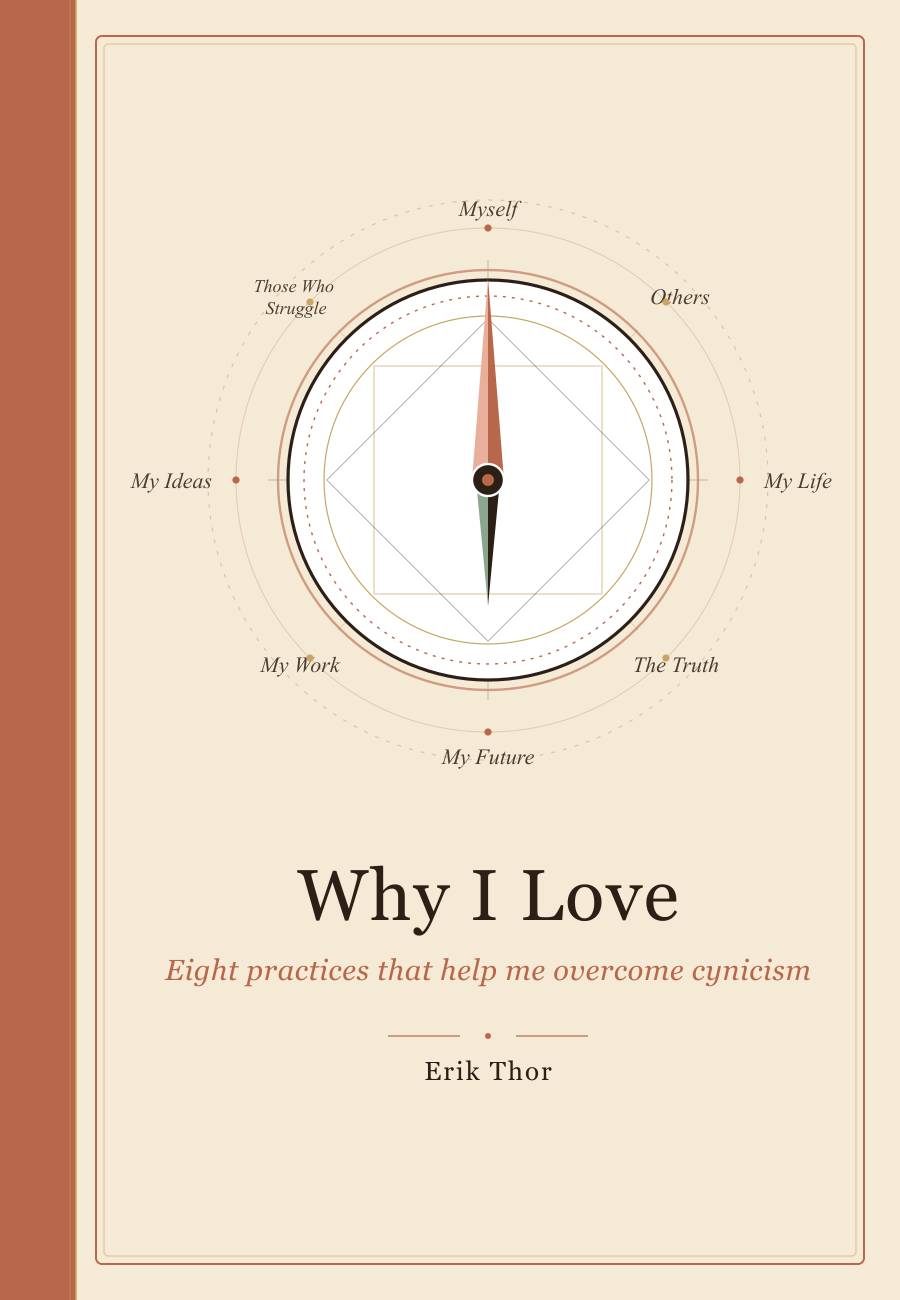
    Why I Love is eight practices that help me overcome cynicism. Reserve your copy and get your name in the first edition.

    Pre-order the book
    Erik Thor

    Erik Thor

    Skribent, psykolog & programmerare

    Jag utforskar personlighetsspektrum, Jungs kognitiva funktioner och självägarskap. Genom sidoprojekt som coach, kreatör och författare är mitt mål att bygga verktyg och publicera artiklar som främjar kollektiv harmoni, självbestämmande och tillväxt.

    Upcoming Book by Erik Thor

    The Age of Self-Realization

    An exploration of what it means to live in alignment with your true values. In a world full of external noise and identity traps, this book is about overcoming internal conflict, understanding your cognitive patterns, and finding the courage to grow into who you are.


    Loading discussion…